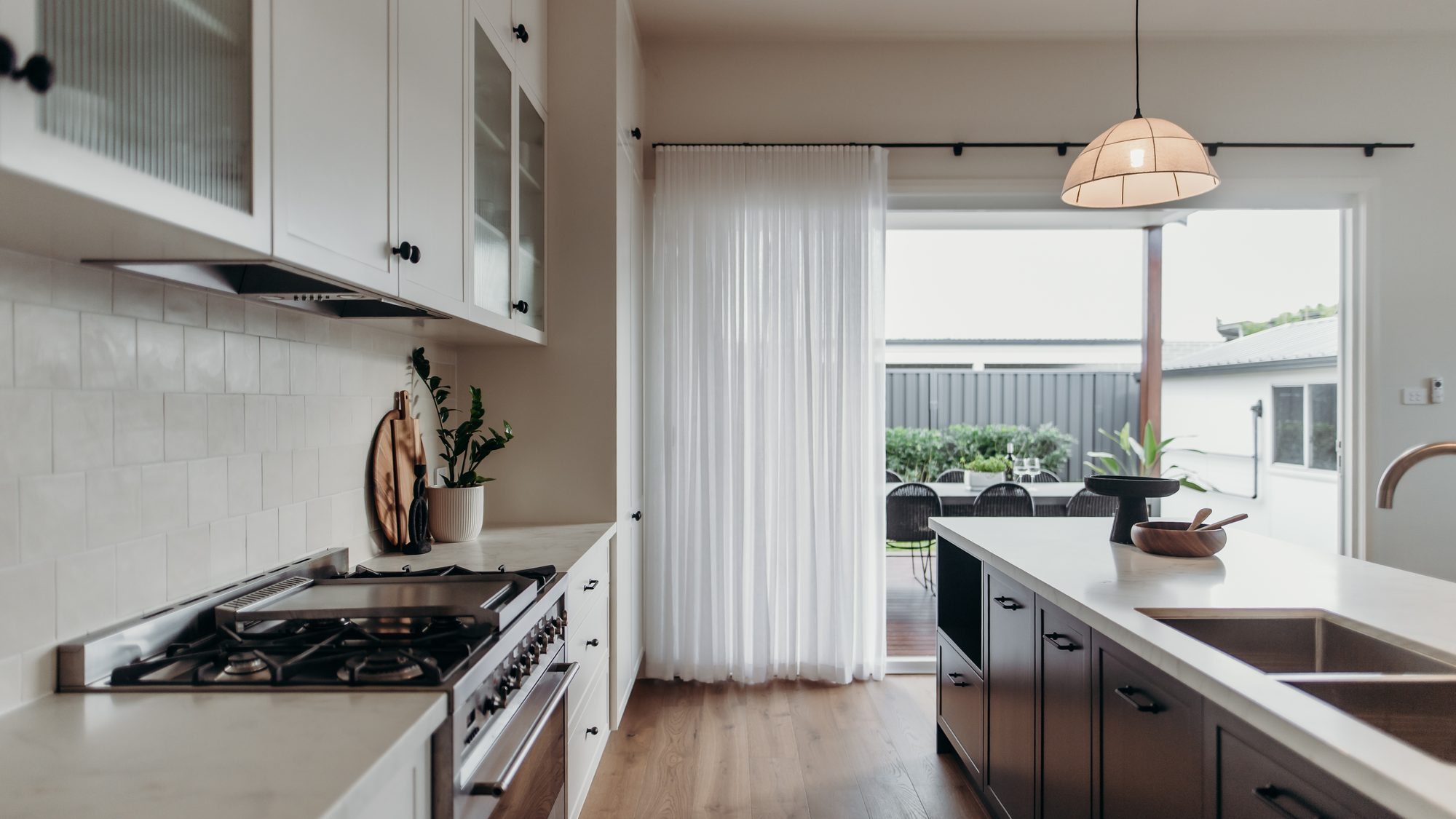
Mineral surfaces
The easy-care bench, without the silica.
Manufactured slabs with zero crystalline silica, made for busy kitchens. The colour you see in the sample is the colour across the whole bench, care is a damp cloth, and the same Cardiff team measures, cuts and fits it.
- HeatTrivets for hot pansDirect heat can mark a manufactured slab
- ScratchesDurable, use a boardThe supplier's care guide has the specifics
- OutdoorsIndoors onlyOutside, choose sintered or porcelain
- CareWipe, no sealingA damp cloth and a pH-neutral cleaner
- LookConsistent colourThe sample is the slab
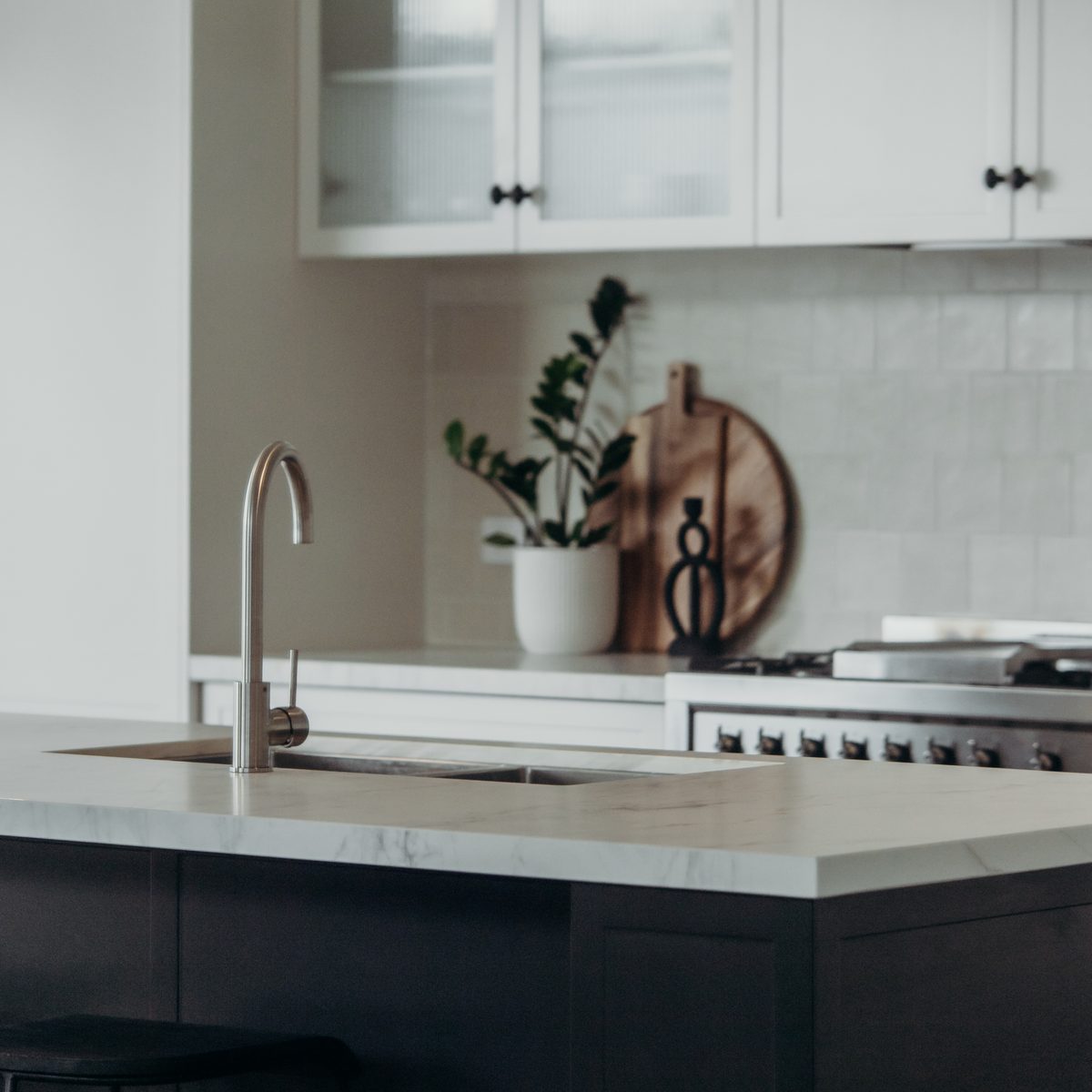
What changed
Engineered stone is gone. This is what came next.
For twenty years the default kitchen benchtop in Australia was engineered stone: a manufactured slab with a consistent colour, no sealing and a price most renovations could carry. From 1 July 2024 it was banned across the country, and we do not sell, cut or install it. The problem was never the look or the performance. It was the crystalline silica in the slab, and the dust it made when it was cut.
Mineral surfaces are the answer the industry built. They are manufactured slabs made without crystalline silica, designed to give you everything people chose engineered stone for: a colour that is the same across the island, the run and the splashback, a surface that wipes clean, and a slab that behaves predictably on the saw and in the home.
If you were midway through planning when the ban landed, nothing is lost. Bring the colour you had picked and we will show you the closest mineral surface, or an honest alternative in porcelain or natural stone if that gets you there better.
- Zero crystalline silica
- Consistent colour, slab to slab
- No sealing
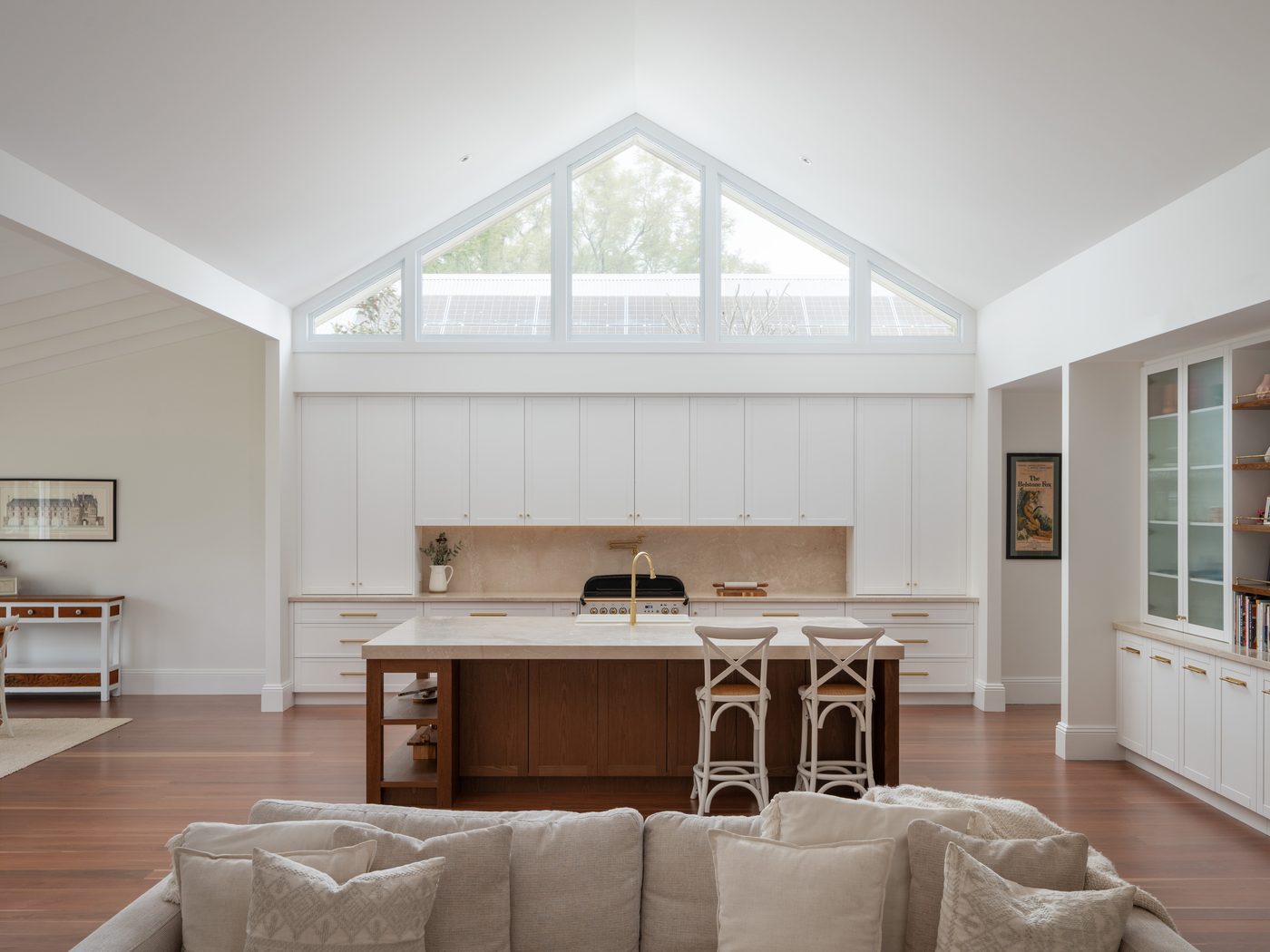
Made for the way a kitchen actually gets used.
The plain facts, including the one thing it is not built for.
What it gives you
Consistent from the first slab to the last.
- Zero crystalline silica. The reason the category exists. Mineral surfaces are made without the material that led to the engineered stone ban.
- Consistent colour. The sample is the slab. Colour and pattern carry evenly across every piece, and the second slab matches the first, so a kitchen, a butler's pantry and a laundry can all read as one.
- No sealing. Spills sit on the surface. Wipe them up with a damp cloth and a pH-neutral cleaner, and that is the whole care routine.
- Joins that sit neatly. The consistent colour makes joins easier to place, and we show you on your plan where they will fall before anything is cut.
- Repeatable colour for builders and kitchen companies who need the same slab across a dozen apartments, and for family kitchens that get used hard every day.
- Ranges you will recognise. We fabricate mineral ranges from Caesarstone, Celeste Stone, WK Quantum Zero, Zenith Surfaces, YDL Stone, AC Stone, Eclos by Cosentino, Vadara, Unistone and Alpha Surfaces.
What it asks of you
Not much, and one honest limit.
- Trivets for hot pans. Direct heat can mark a manufactured slab. Use a trivet or board under hot cookware, as every supplier's care guide asks.
- Indoors only. None of the mineral ranges we fabricate is rated for outdoor use, so for an alfresco bench we will show you sintered stone or porcelain instead.
- Warm water, a soft cloth and a pH-neutral cleaner. Avoid abrasive pads, bleach and harsh solvents.
- Bring the colour you had picked. Not every old engineered stone colour has an exact twin, so we will show you the nearest match in the showroom, in the light, next to your cabinet sample.
- If hot pots straight on the bench are part of how you cook, porcelain and sintered stone are the materials to look at, and we will say so.
The same care as natural stone, on a more forgiving slab.
- Measure
Digitally measured at home
A mineral surface does not need the slab-by-slab vein planning that marble does, but it gets the same check measure. An owner comes to your home once the cabinets are in, checks the walls, confirms the sink and cooktop positions and measures every edge and cut-out. Then the slab is cut on CNC machines in our dust-free Cardiff factory and finished by hand.
- Cut
Cut in a dust-free workshop
The dust-free workshop matters here for its own sake. Whatever the slab is made of, cutting stone makes dust, and we have built the factory to capture it rather than breathe it. That is good for the team and it is why the edges and cut-outs come out clean.
- Install
Joins placed, same team installs
The consistent colour makes joins easier to place, and the same team that the check measured and cut the job installs it. Bethwyn and Renee will tell you up front what the supplier's care guide asks of you, which for a mineral surface is not much.
Quiet, consistent and easy to live with.
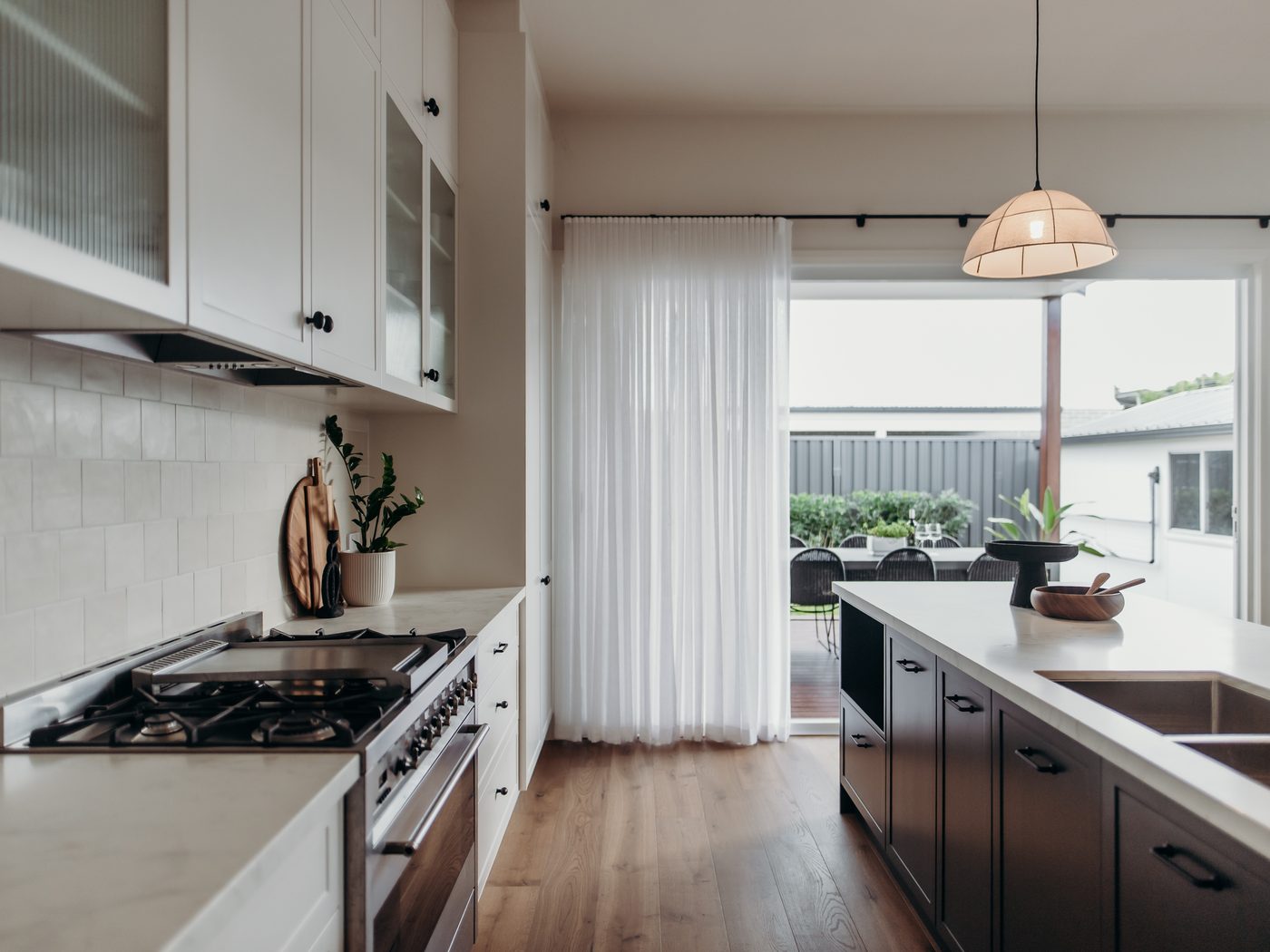
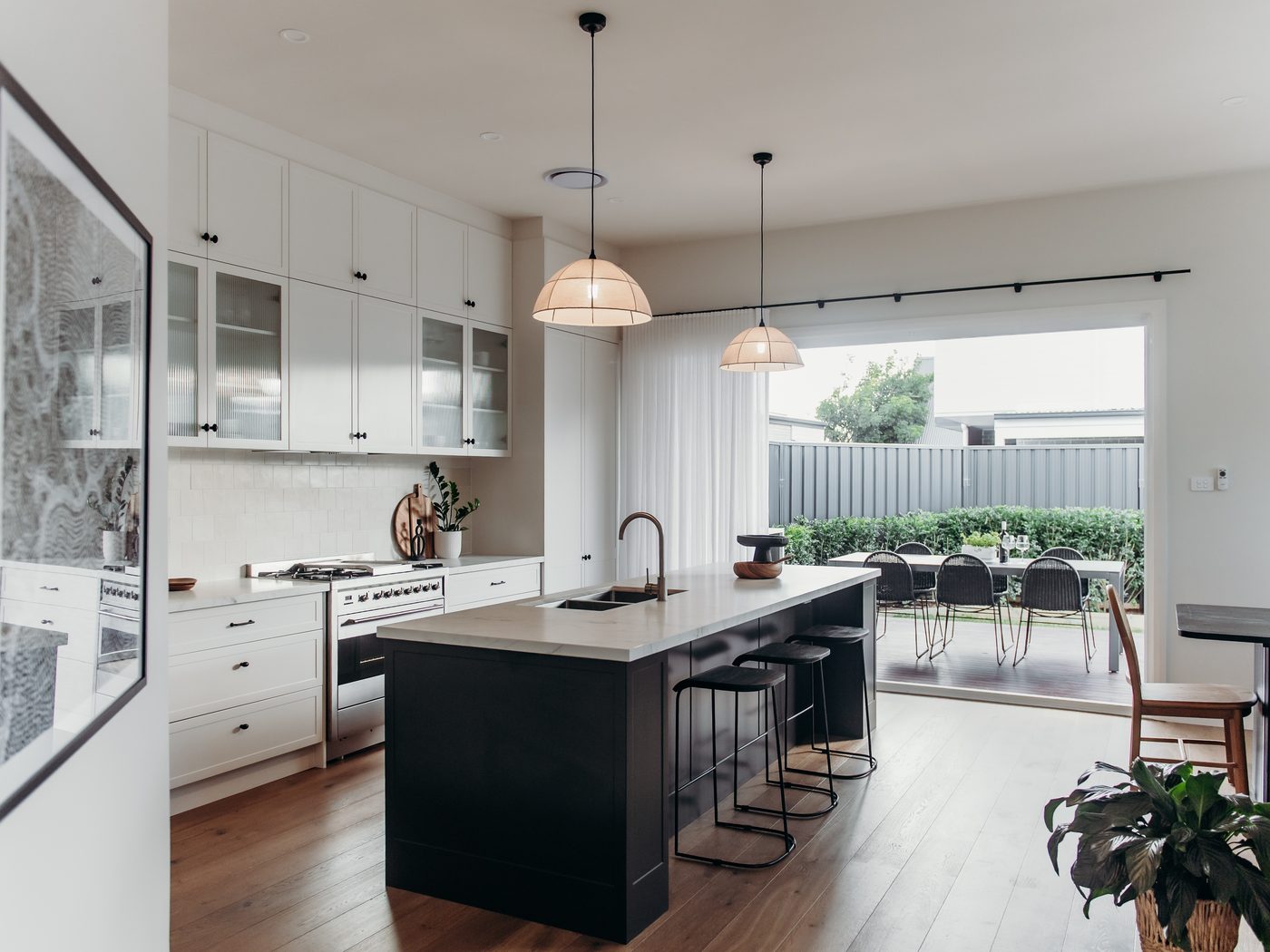
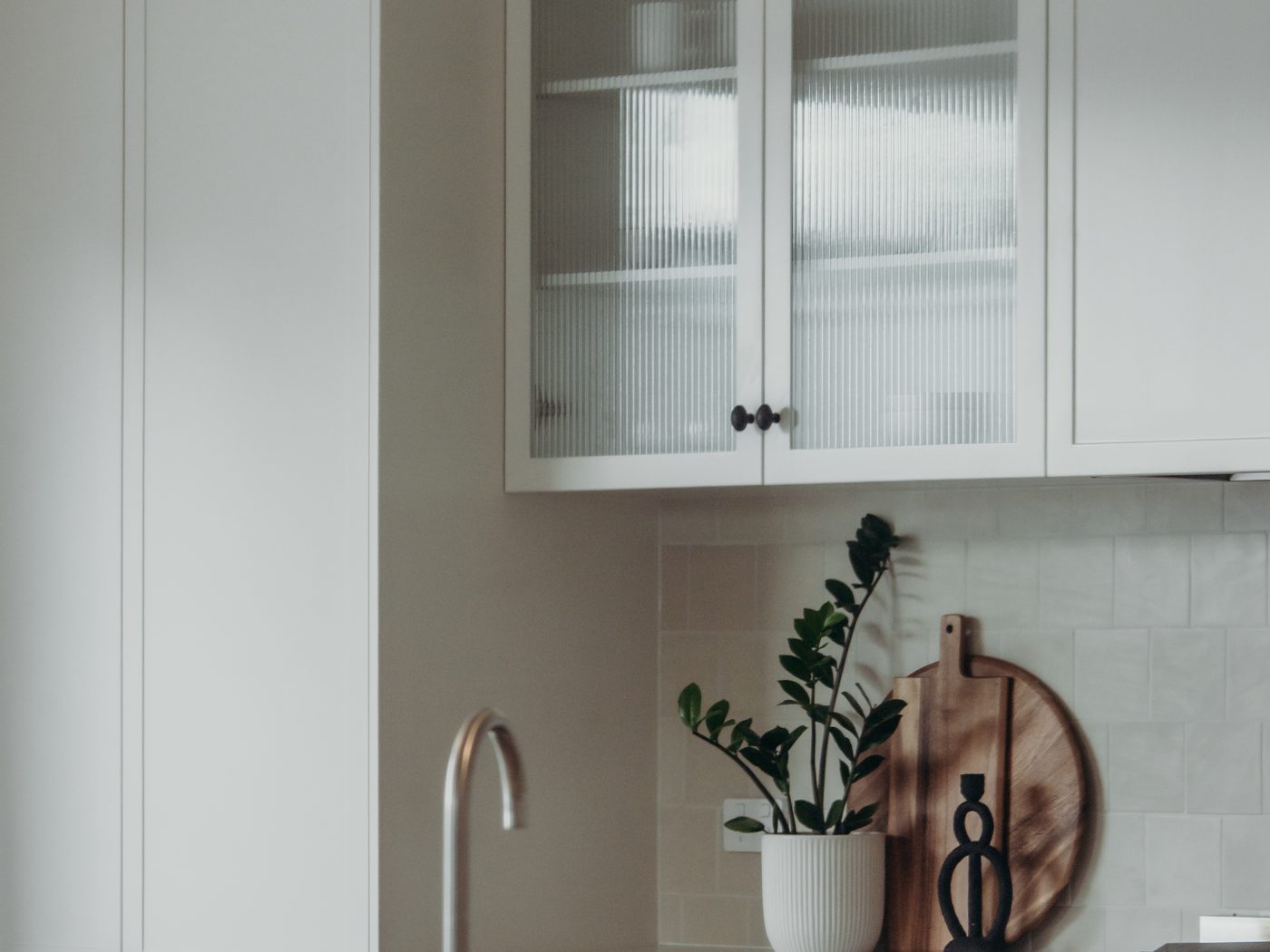
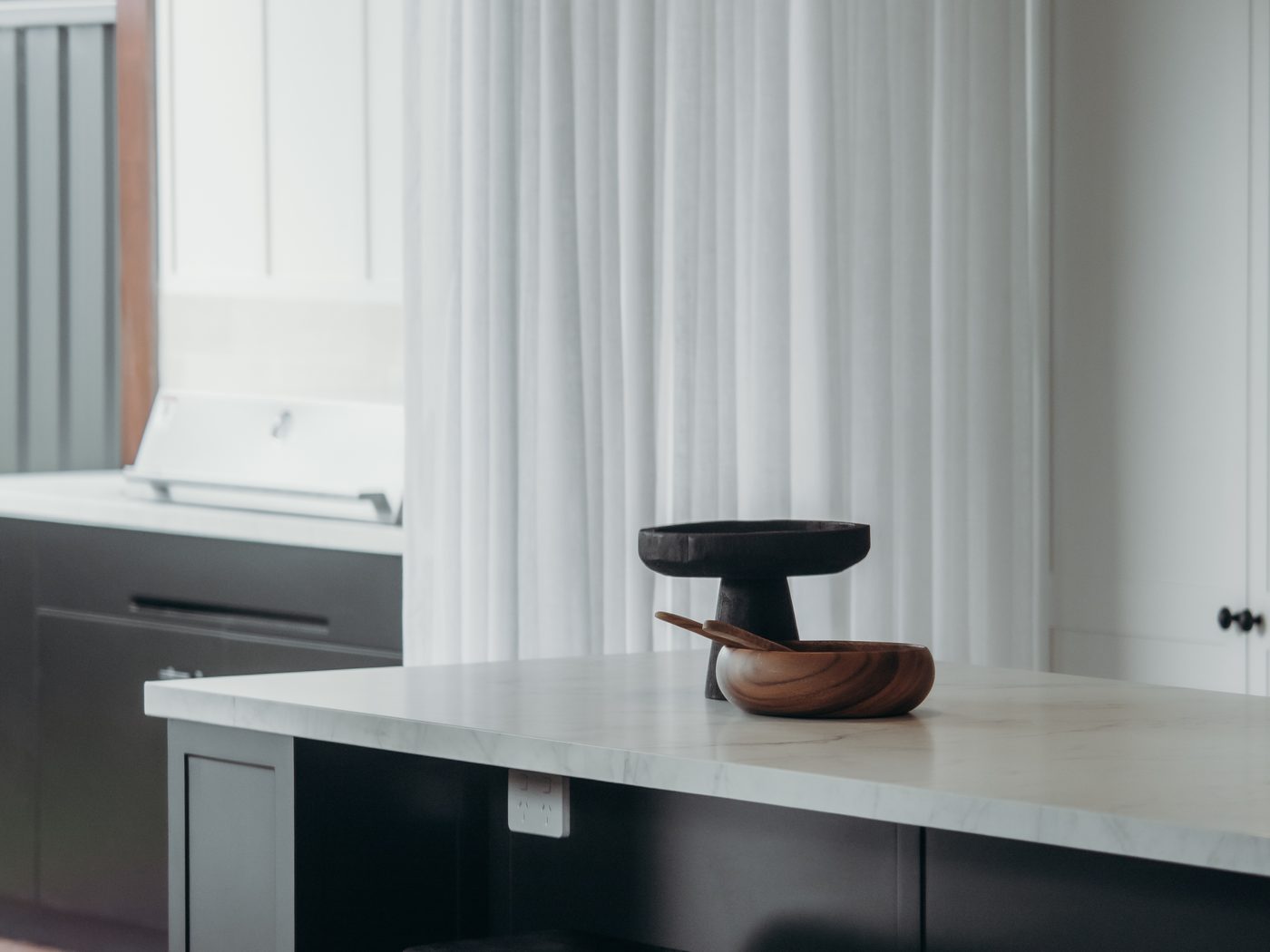
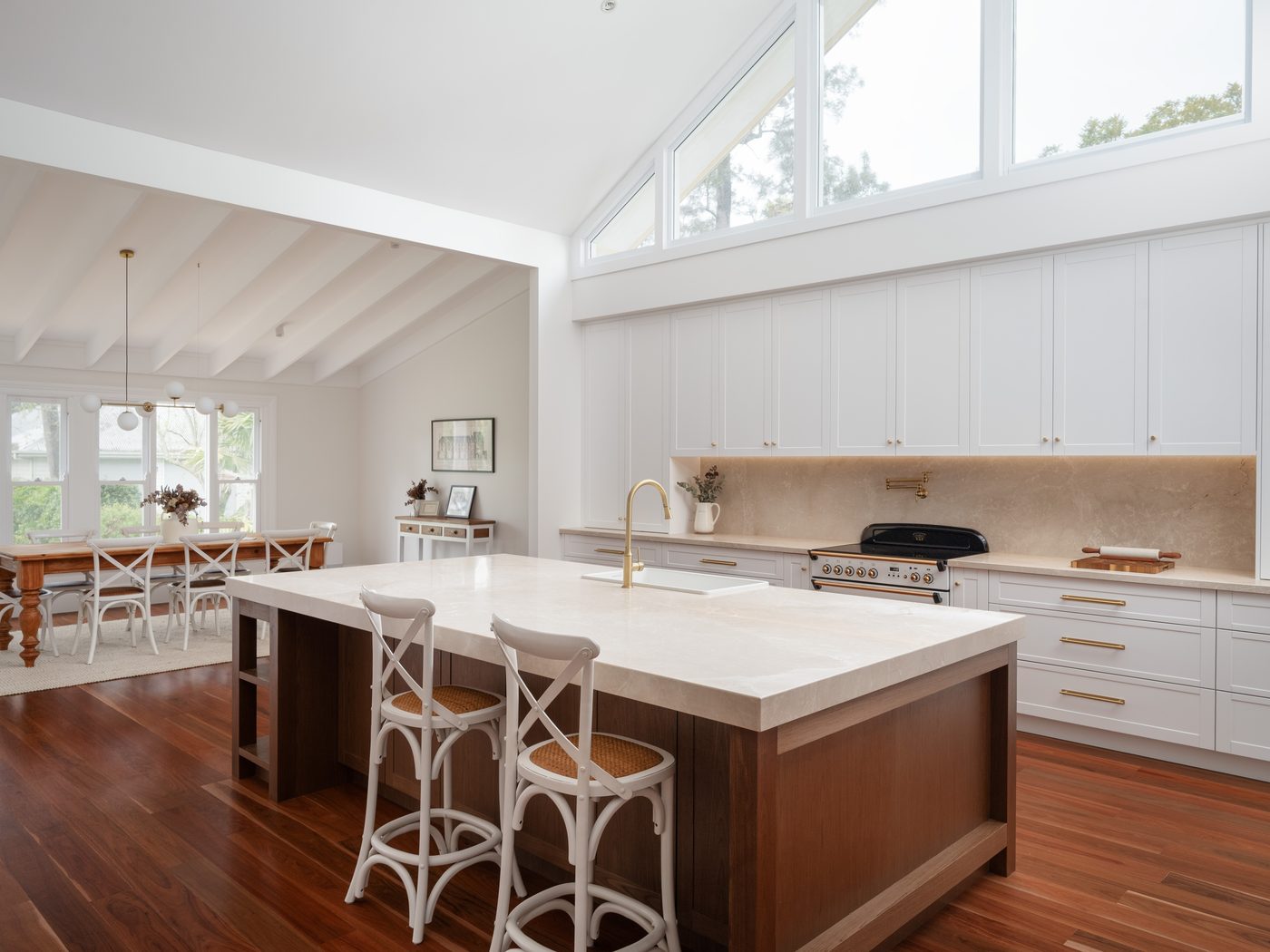
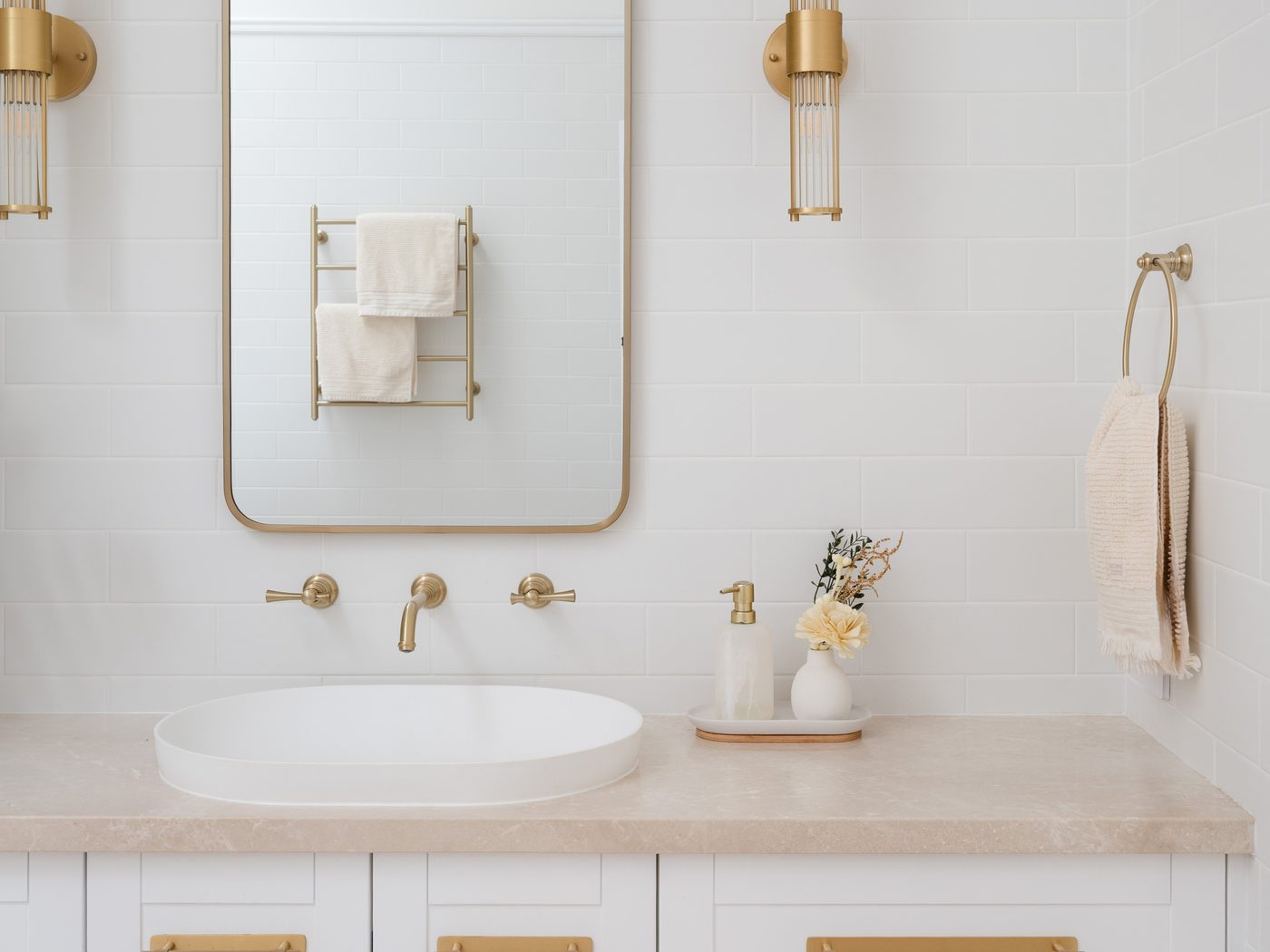
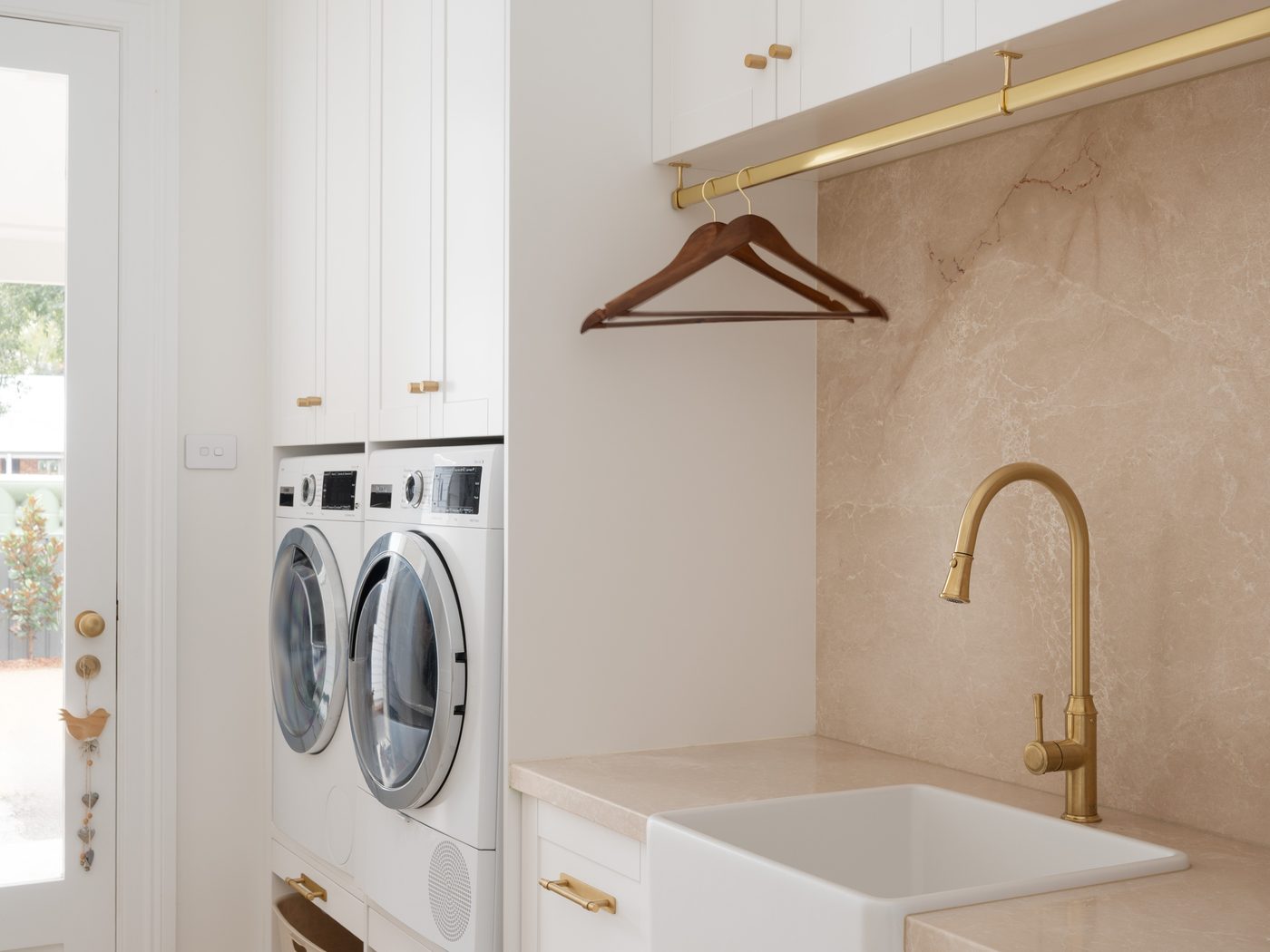
Recent projects in Mayfield and Bolwarra, photographed after handover. Surfaces vary from job to job, so come and see the mineral ranges at full size in the showroom.
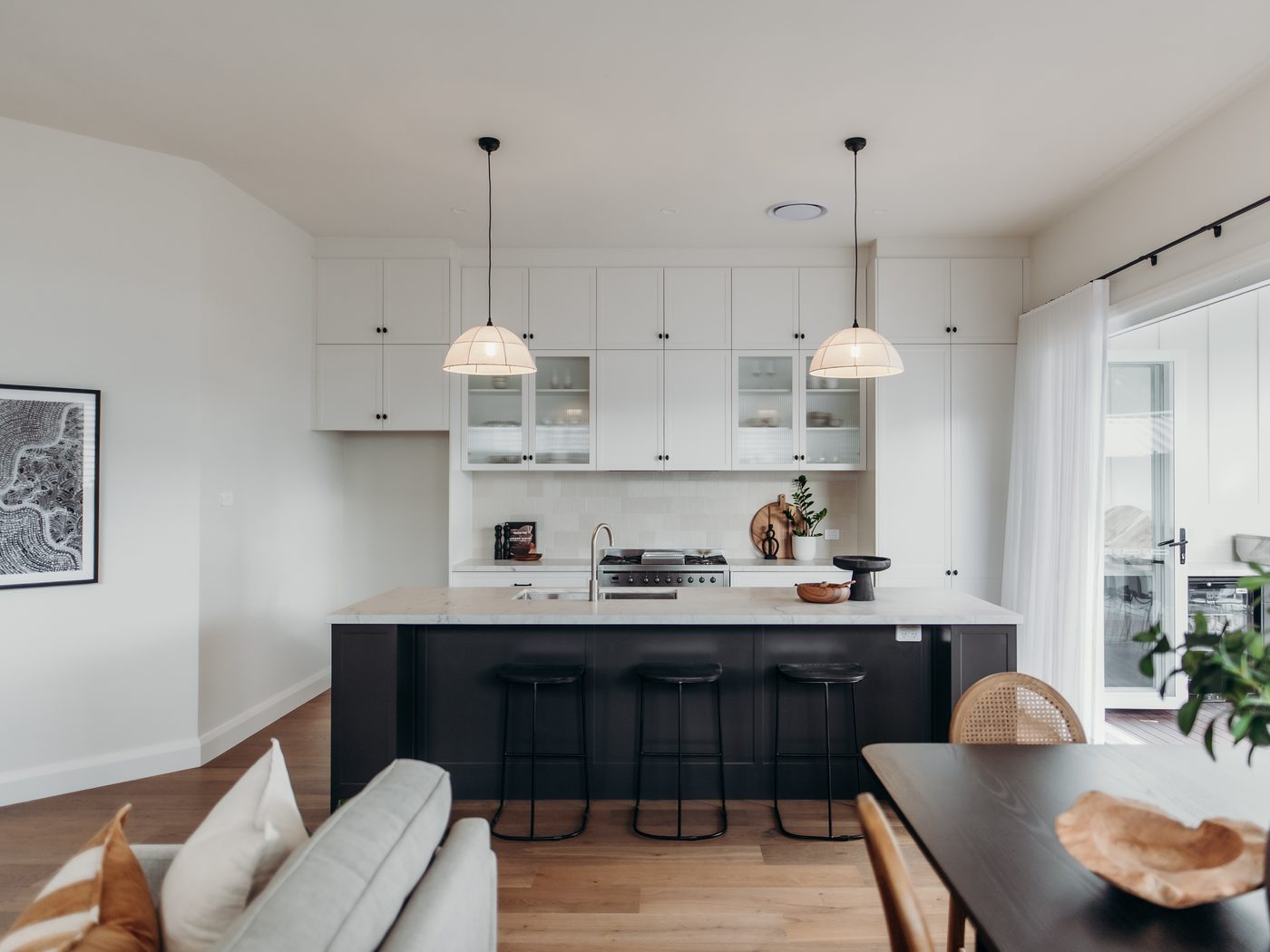
Mineral surface questions
What people ask since the ban.
Plain answers, the same as you would get in the showroom. If yours is not here, call or ask when you visit.
What exactly is a mineral surface?
A manufactured benchtop slab made without crystalline silica. It is designed to do the job engineered stone used to do, giving you a consistent colour, a non-porous surface and simple care, using a different recipe. Each supplier formulates its own range, which is why we show you several side by side rather than one.
Is it just engineered stone with a new name?
No. Engineered stone was made with crystalline silica, and that is why it was banned from 1 July 2024. Mineral surfaces are made without it. They share the idea of a manufactured slab with predictable colour, but the material is different, and that difference is the whole point.
Can I still get the colour I liked in engineered stone?
Often something very close. The suppliers have built their mineral ranges around the whites, greys and soft veined looks people were already choosing. Not every old colour has an exact twin, so bring the name or a photo and we will show you the nearest match in the showroom, in the light, next to your cabinet sample.
Can I put a hot pan straight on it?
Use a trivet. Mineral surfaces are durable, but direct heat from a pan straight off the burner can mark any manufactured slab, and the supplier's care guide will say the same. Porcelain and sintered stone are the materials to look at if hot pots on the bench are part of how you cook.
Can mineral surfaces be used outdoors?
Not the ranges we fabricate. None of them is rated for outdoor use, because sun and weather can affect the colour over time. For an outdoor kitchen we would show you sintered stone or porcelain instead.
How do I clean it?
Warm water, a soft cloth and a pH-neutral cleaner. Avoid abrasive pads, bleach and harsh solvents. There is no sealing to keep up with. The supplier's care guide covers the specifics for your range, and our resources page has the general do and do not list.
Will the joins show?
Every bench longer than a slab has a join, and we plan where it goes at the check measure. On a mineral surface the consistent colour helps a well-placed join sit neatly, though no join is invisible. We will show you on your plan where the joins will fall before anything is cut.
Where it suits, and what else to look at.
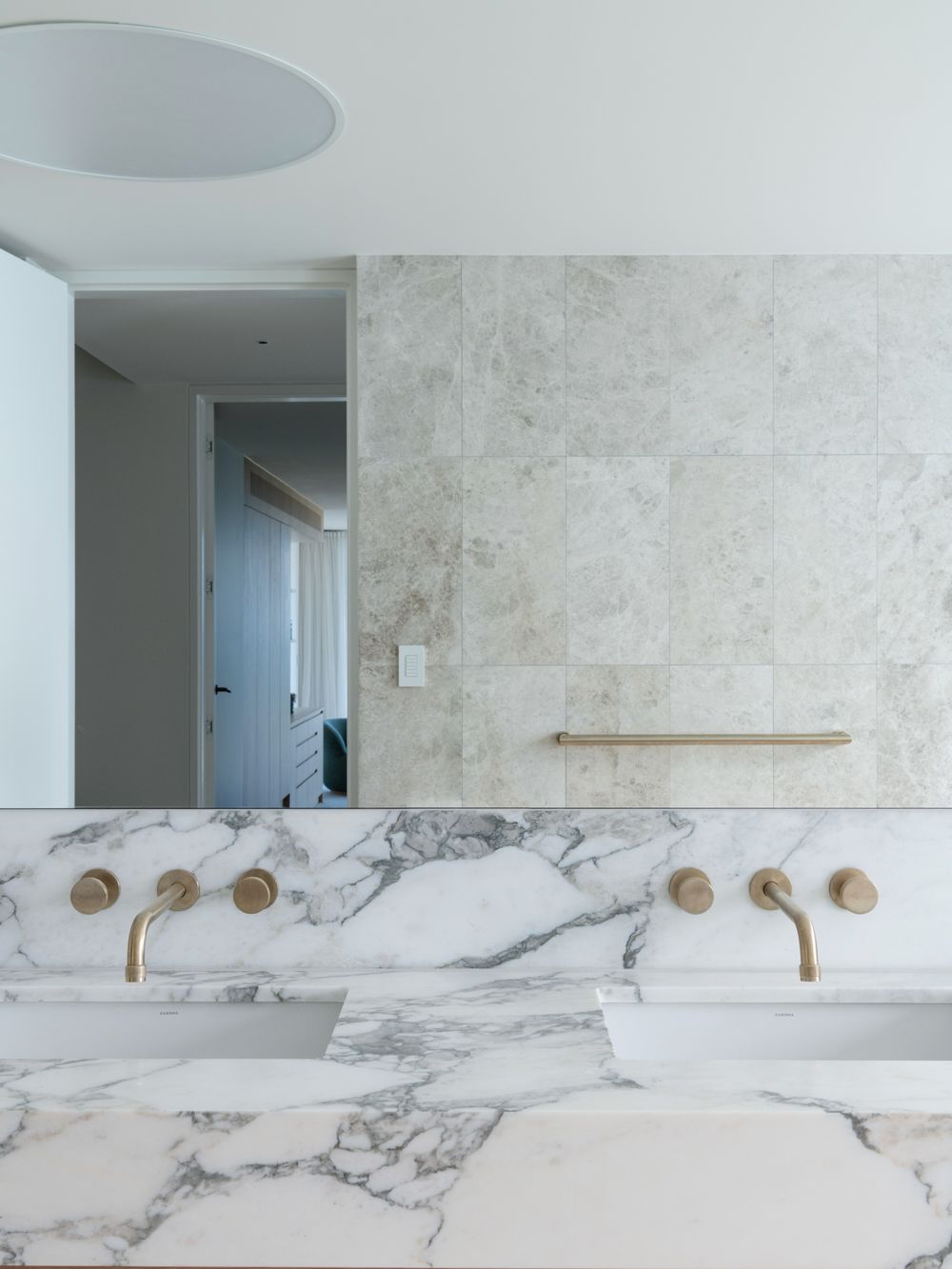
Mineral surfaces in the rooms they were made for, and the other three materials for the rooms this one is not built for.
Pick the colour in real light.
Mineral surface samples are made to be taken home. Hold them against your cabinets and floor, then come back to 7 Nelson Rd, Cardiff and see the full slab.