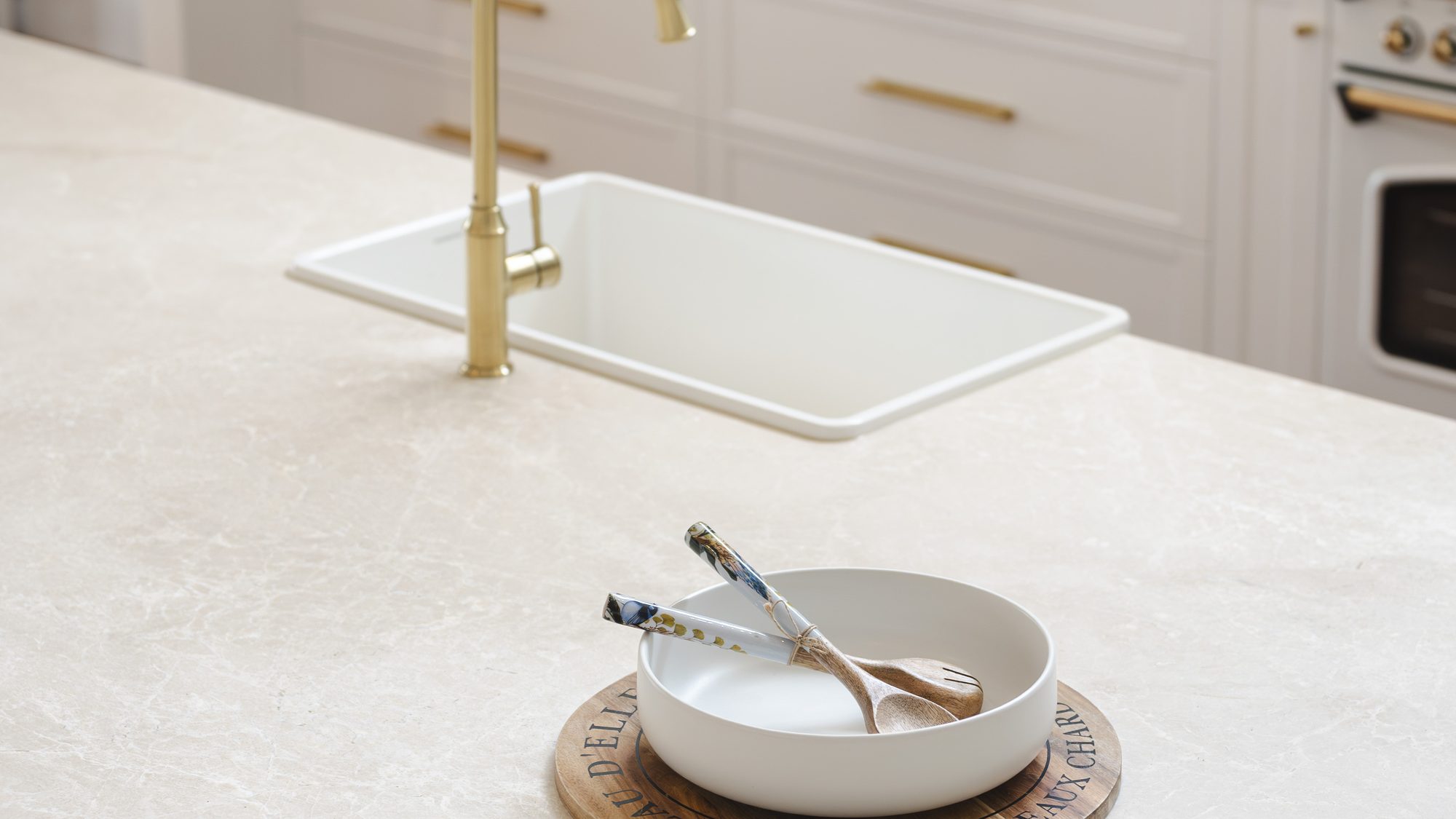
Sintered stone
Built for the bench that lives outside.
Compact sintered surfaces that hold their colour in the sun, take the heat from a barbecue and shrug off the weather. Cut and installed by the same Cardiff team as everything indoors.
- HeatTakes the heatHot trays from the barbecue included
- ScratchesVery hardA board is still kinder to your knives
- OutdoorsBuilt for itNo resin to yellow or fade
- CareWipe, no sealingNon-porous out of the factory
- LookLarge formatLong runs with very few joins
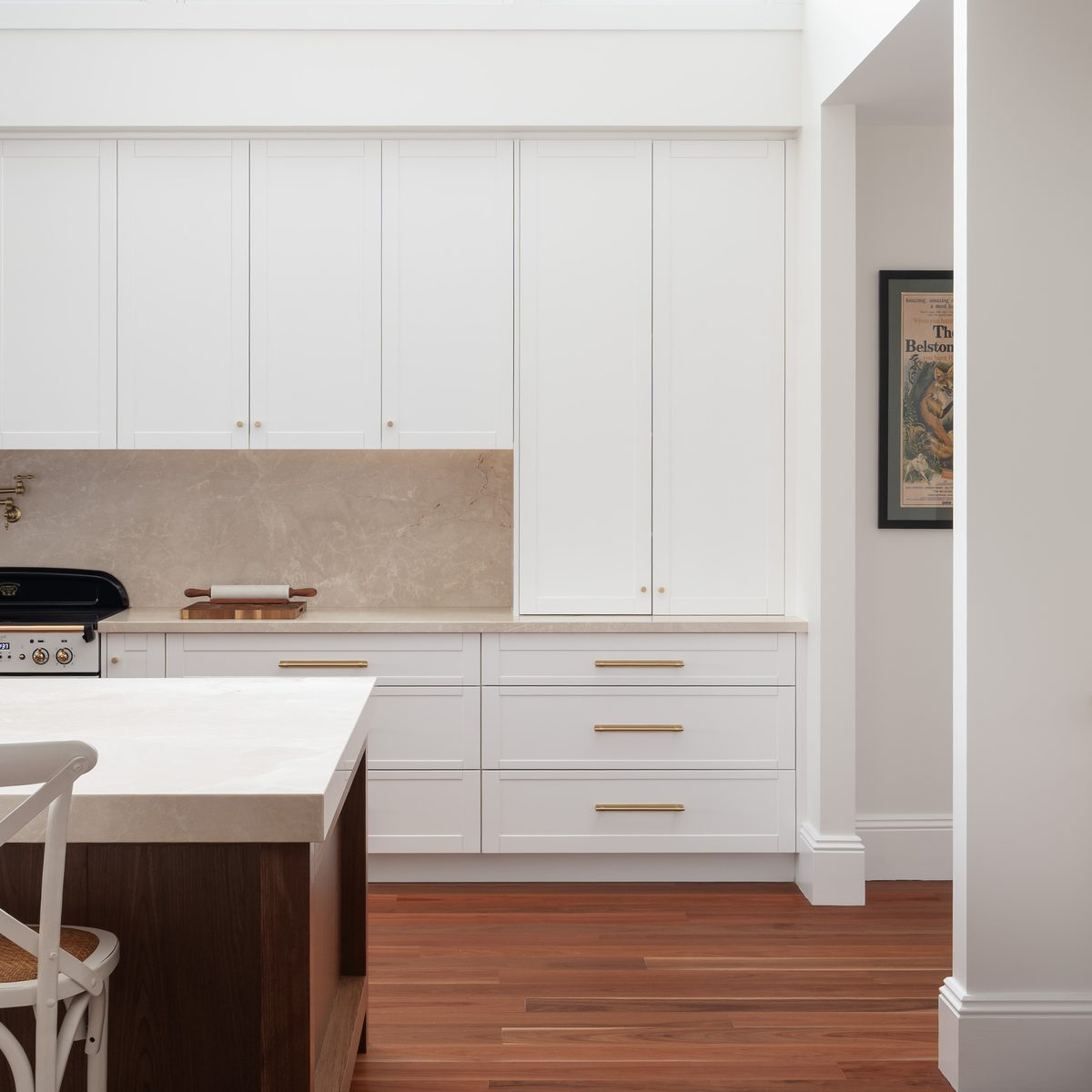
Pressed and fired
Minerals compacted into something the weather cannot move.
Sintered stone is made by taking natural minerals, the same raw ingredients found in granite, glass and porcelain, and compacting them under enormous pressure and heat until the particles fuse into one dense slab. No resin holds it together, which is the detail that matters: there is nothing in the slab for sunlight to yellow, nothing for heat to soften and nothing for water to find its way into.
The result is a surface that behaves the same on a deck in February as it does in a kitchen in July. It does not fade, it does not stain, it does not need sealing, and a hot tray from the barbecue is not an emergency. It comes in large formats, so a long outdoor bench or a feature wall can be done with very few joins.
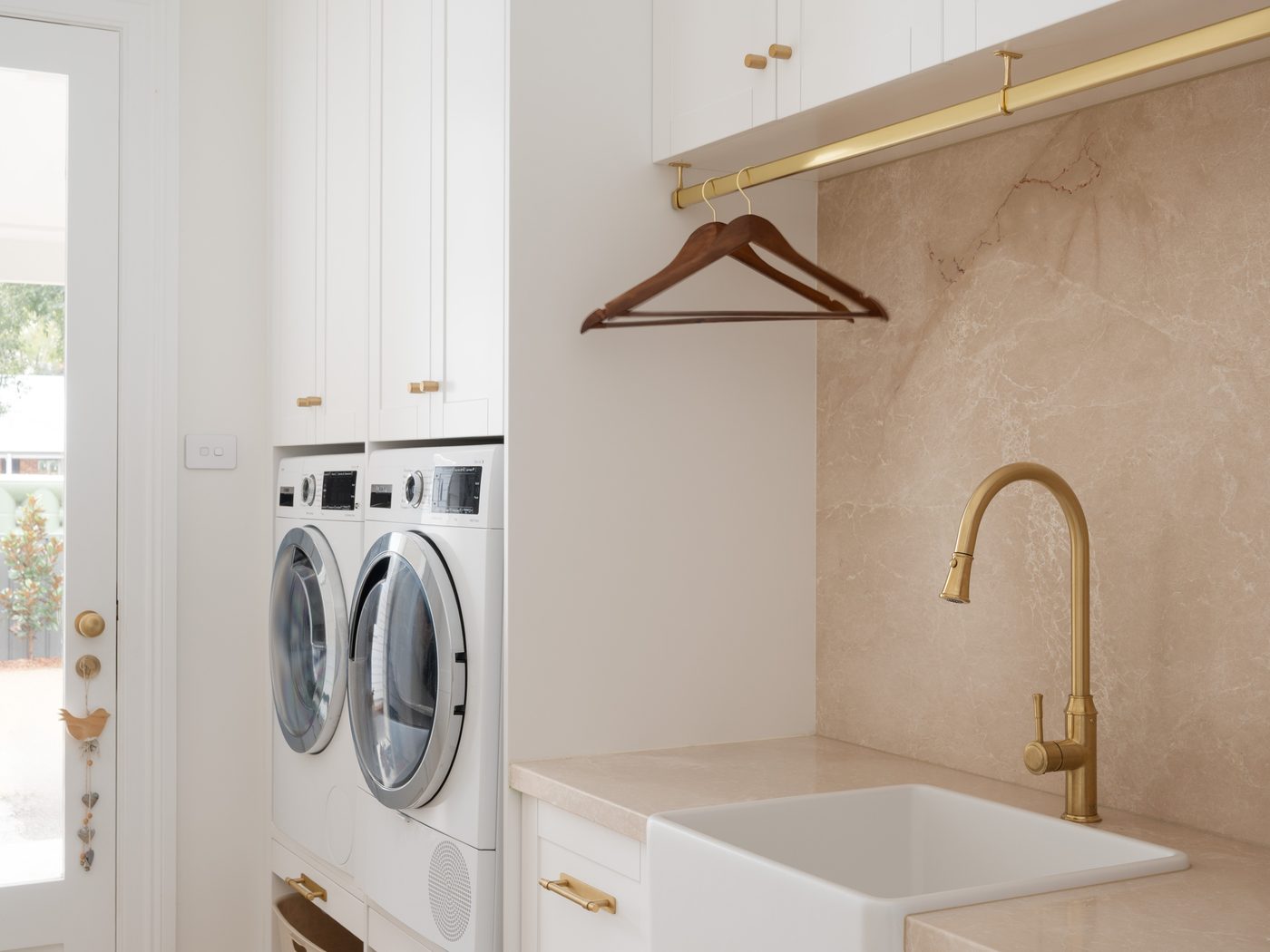
Indoors, people choose it for the same toughness: laundries and wet rooms that get knocked about, kitchens with strong north light, and fireplace surrounds and statement walls where a big uninterrupted slab is the look. We will tell you plainly whether it is the right material for your spot, or whether porcelain or a mineral surface would do the same job for less.
- UV and heat stable
- The one we send outdoors
- No sealing
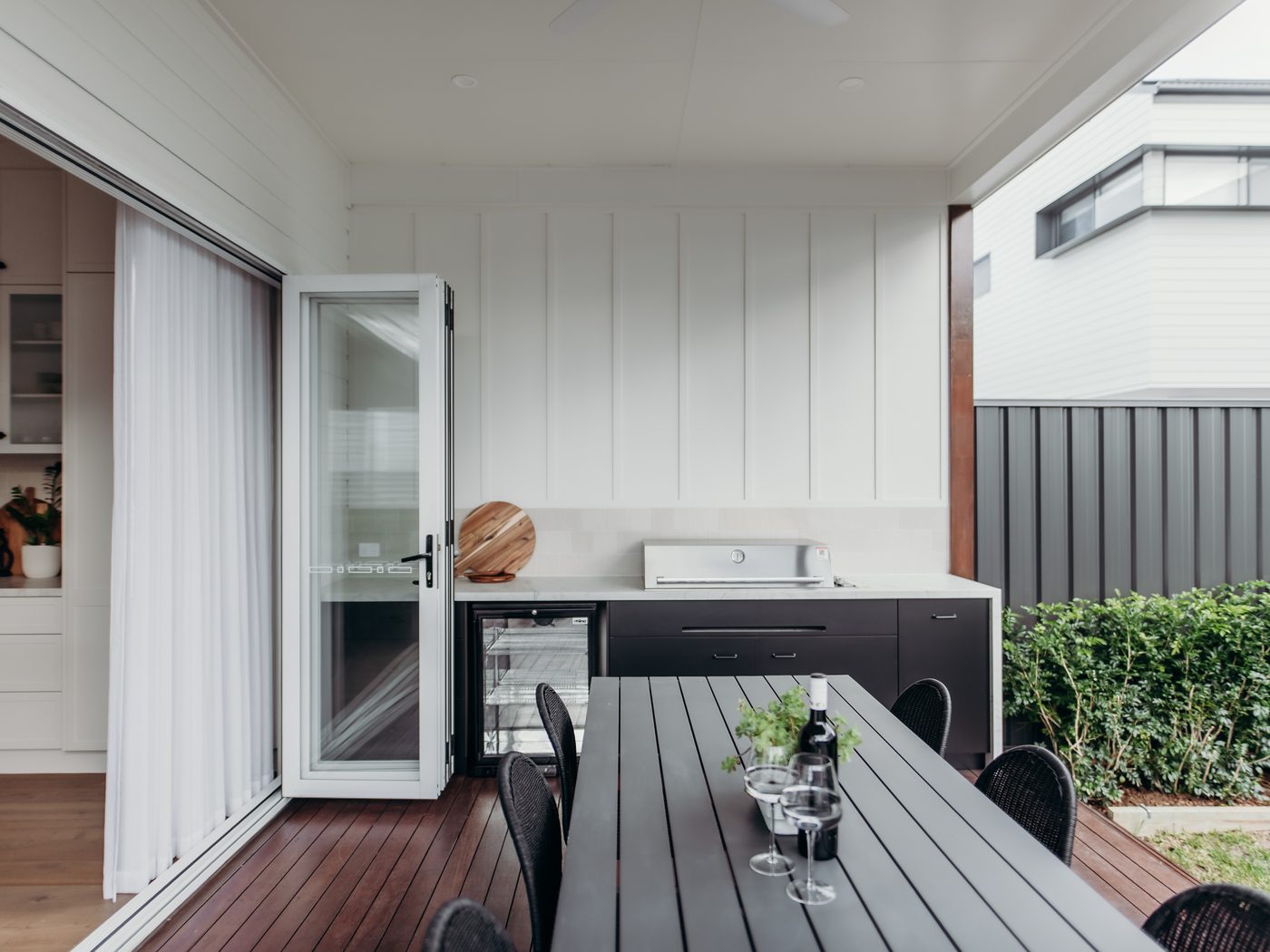
What the sun, the barbecue and the rain cannot do to it.
The plain facts on the toughest slab we cut, and the small habits that keep it looking new.
What it gives you
One slab, indoors or out.
- UV stable. No resin means nothing to yellow or fade. The colour you choose is the colour it stays, in full Hunter sun.
- Takes the heat. Hot pots, trays and radiant heat from a barbecue do not mark it. The supplier's care guide covers the specifics for your slab.
- Rain and spills. Non-porous, so water, wine, oil and sauce sit on the surface until you wipe them. No sealing, ever.
- Scratch resistant. Very hard in daily use.
- Large format. Long slabs mean a barbecue run or a feature wall with very few joins, planned at the check measure.
- Where we show it first: outdoor kitchens and barbecue benches in full sun, alfresco serveries, bar tops and pool-side benches, statement walls and fireplace cladding, laundries, mudrooms and wet areas that get knocked about, kitchens with strong north-facing light, and commercial counters with heavy daily use. Among the ranges we fabricate, Neolith, Dekton by Cosentino, MAMO and the Smartstone Sintered Collection are sintered stone.
What it asks of you
Small habits, and one honest question.
- Wipe and walk away. Warm water, a soft cloth and a pH-neutral cleaner. No abrasives, no special products, no routine to remember.
- A chopping board is still kinder to your knives than the bench is.
- Keep a trivet handy out of habit, and follow the supplier's care guide for the specifics of your slab.
- Appliances on site before we measure. Each one has its own cut-out and its own clearance, so we measure around what is actually there.
- Ask whether you need it. If a mineral surface or porcelain would do your job just as well, we will say so. Sintered stone is the right answer for a lot of outdoor and hard-wearing work, and not for everything.
Measured to the barbecue, not to the drawing.
- Measure
Measured around the appliances
An outdoor kitchen is a bench full of appliances: a barbecue, a sink, a bar fridge, a bin, sometimes a wok burner or a smoker. Each one has its own cut-out, its own clearance and its own idea of where it wants to sit. So we check measure once the cabinets and appliances are on site, the same way we do indoors, with an owner measuring in your home around what is actually there.
- Cut
Cut on CNC, finished by hand
Sintered stone is extremely hard, which is why it is cut on CNC machines in our dust-free Cardiff factory with the right tooling, then finished by hand. Edge profiles, mitres and cut-outs are all planned before a blade moves, and the same team that the check measured and cut the job installs it, clean and on time.
- Straight talk
Only when it is the right answer
If a mineral surface or porcelain would do your job just as well, we will say so. Sintered stone is the right answer for a lot of outdoor and hard-wearing work, and it is not the right answer for everything.
Decks, laundries and rooms open to the weather.
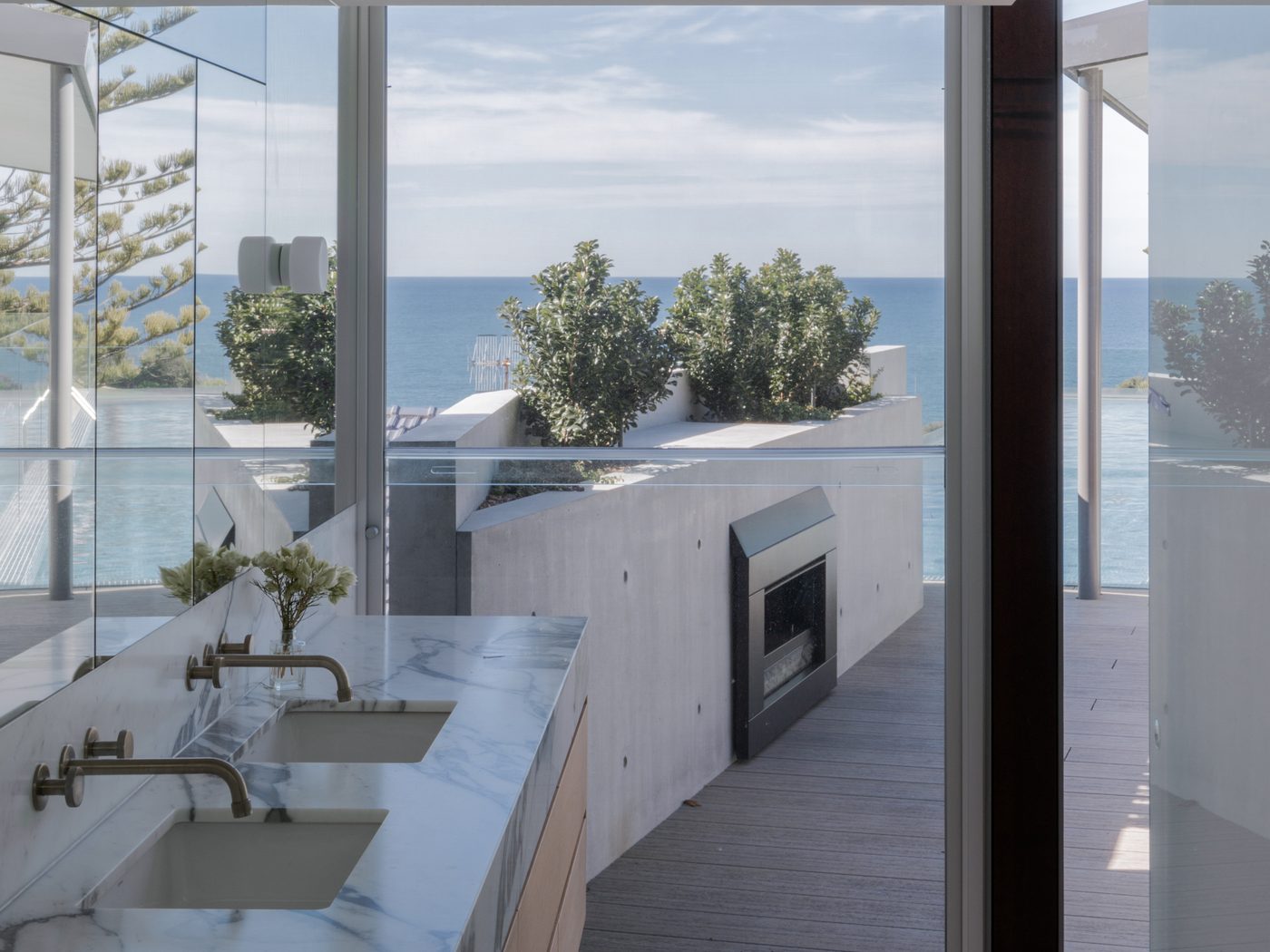
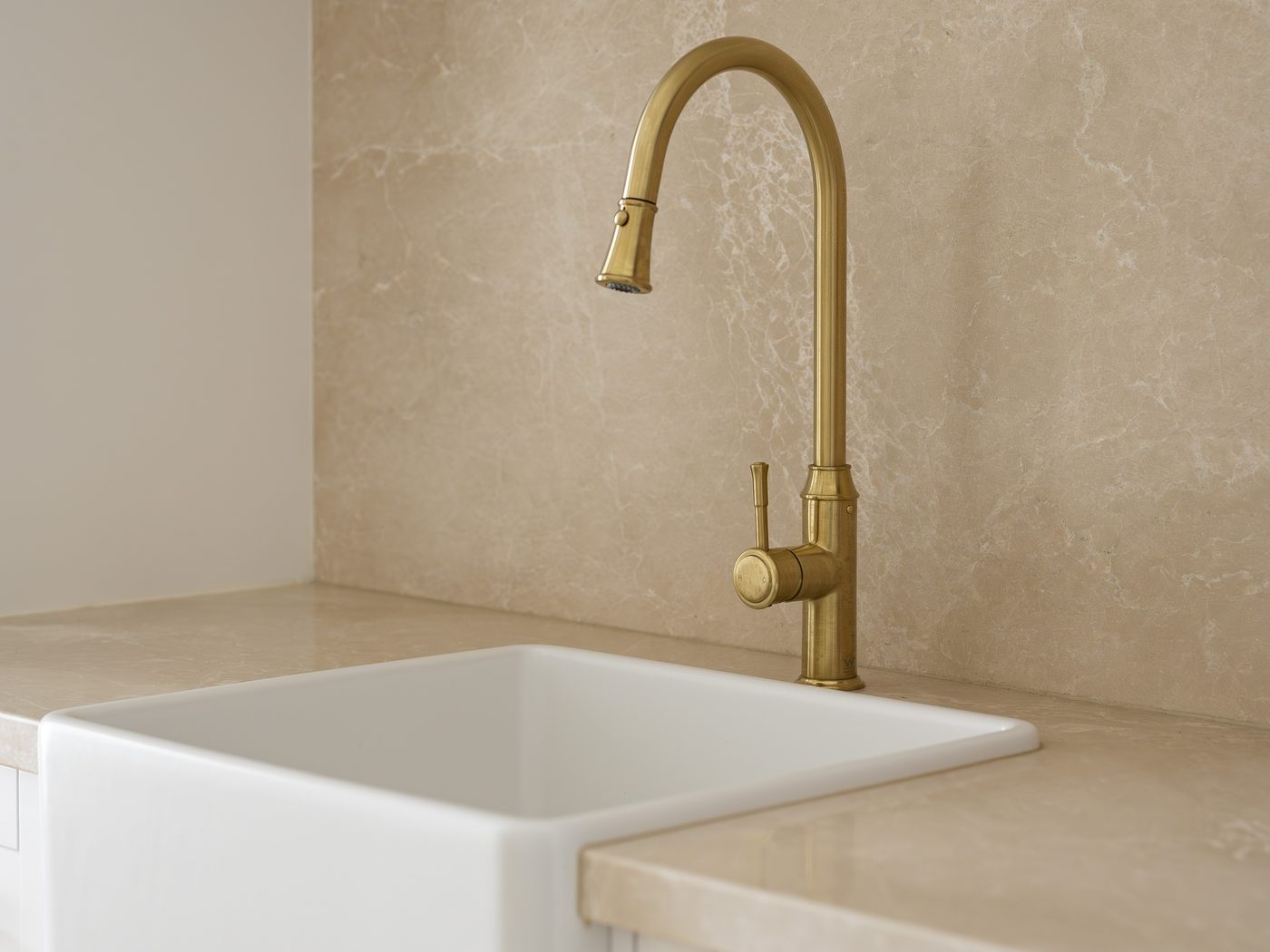
Recent projects in Mayfield, Bolwarra and Terrigal, photographed after handover. Surfaces vary from job to job, so come and see sintered stone at full size in the showroom.
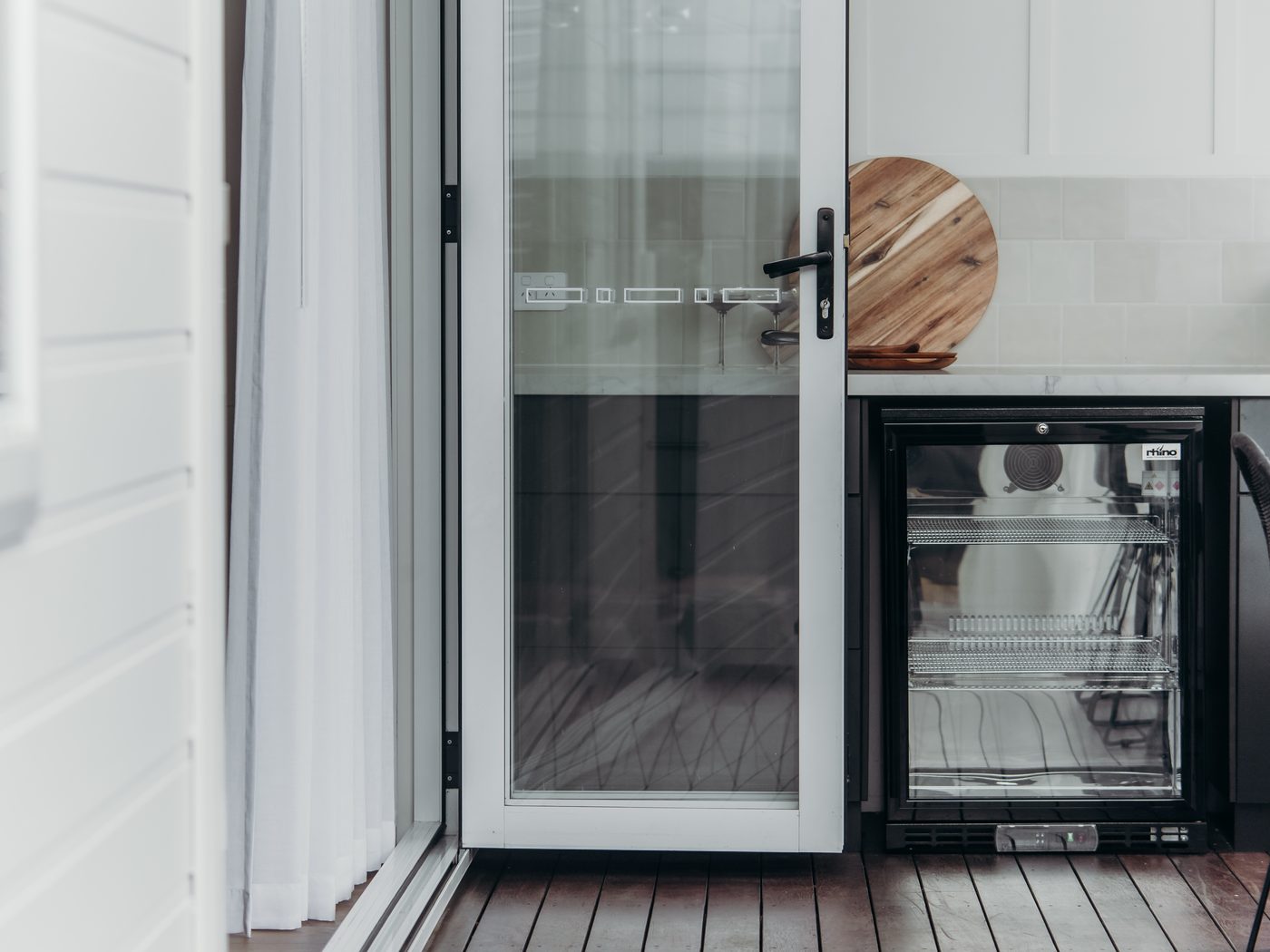
Sintered stone questions
What people ask before the deck goes down.
Plain answers, the same as you would get in the showroom. If yours is not here, call or ask when you visit.
What is sintered stone, in plain terms?
Natural minerals pressed together under very high pressure and heat until they fuse into one dense slab, with no resin binding them. That is why it does not fade in the sun, does not soften with heat and does not absorb water. Think of it as the toughest manufactured slab we cut.
Is sintered stone the same as porcelain?
Close relatives. Both are made with heat rather than resin, both are non-porous and both hold their colour in the sun. Sintered stone is generally the one we take outdoors and use where a thicker, heavier slab suits the job; porcelain is the thinner, lighter sheet that suits splashbacks, walls and slim benches. We will tell you plainly which suits your spot.
Can I put a hot barbecue tray straight on it?
Sintered stone is one of the few surfaces where that is not the disaster it would be on a mineral surface or on marble. It handles hot pots, trays and the radiant heat beside a barbecue hood. Follow the supplier's care guide for the specifics of your slab, and keep a trivet handy out of habit.
Will it fade or stain outdoors?
No. There is no resin in the slab to yellow under UV, and the surface is non-porous, so rain, red wine, barbecue sauce and sunscreen sit on top until you wipe them. That is the whole reason we show it first for outdoor kitchens.
Can sintered stone be used indoors too?
Yes, and it often is. Laundries, kitchens with strong sun, fireplace surrounds and feature walls all suit it. If your indoor job does not need its toughness, a mineral surface or porcelain may get you the same look, and we will say so rather than sell you more slab than you need.
Does sintered stone need sealing?
No. It is non-porous out of the factory and stays that way. Care is a soft cloth, warm water and a pH-neutral cleaner, with no abrasive pads. The supplier's care guide and our resources page cover the rest.
Was sintered stone part of the engineered stone ban?
No. The ban that started on 1 July 2024 applies to engineered stone only. Sintered stone, porcelain and natural stone were not part of it, and mineral surfaces were developed as the direct replacement for engineered stone. We do not sell or install engineered stone.
Where it suits, and what else to look at.
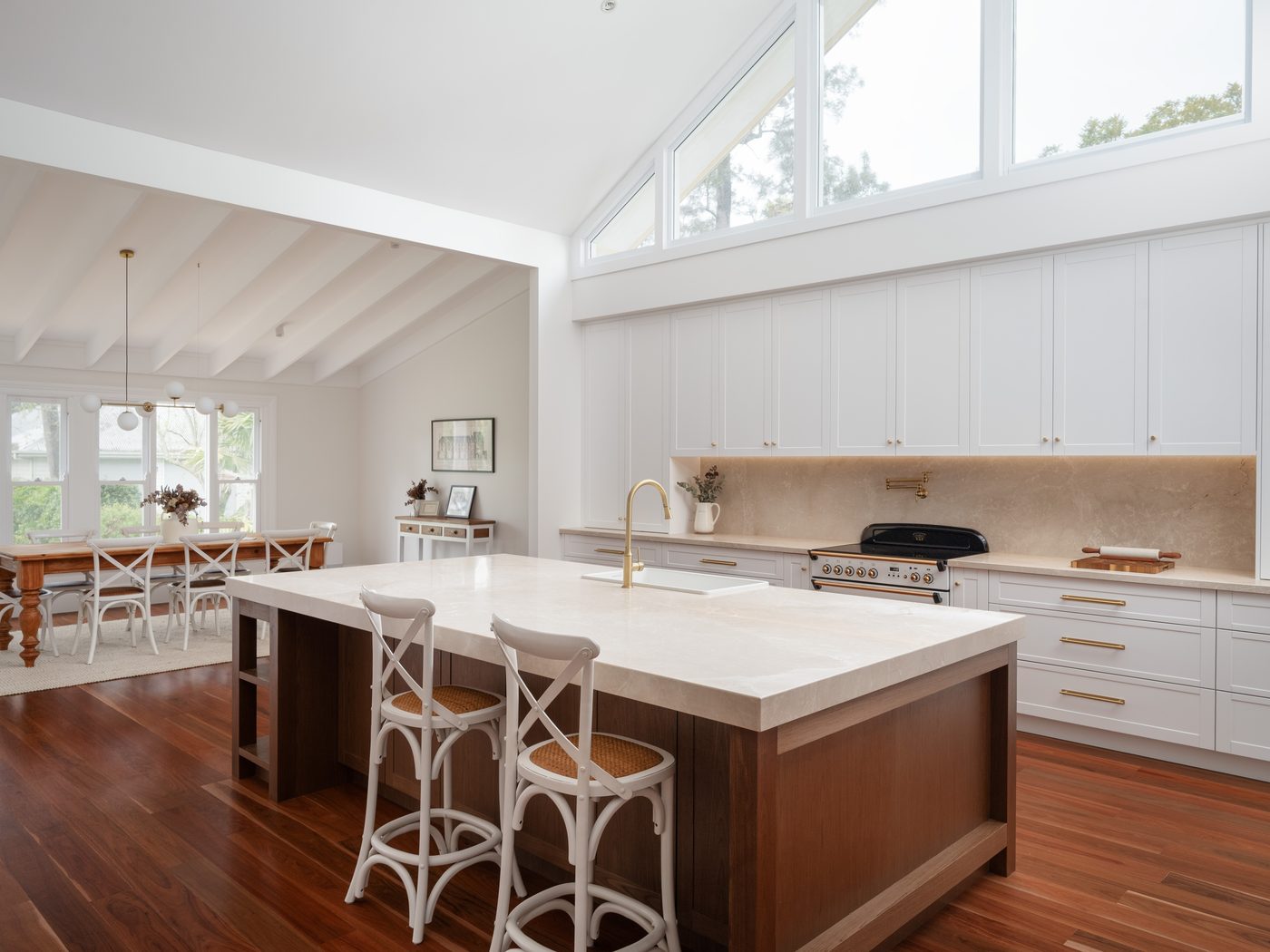
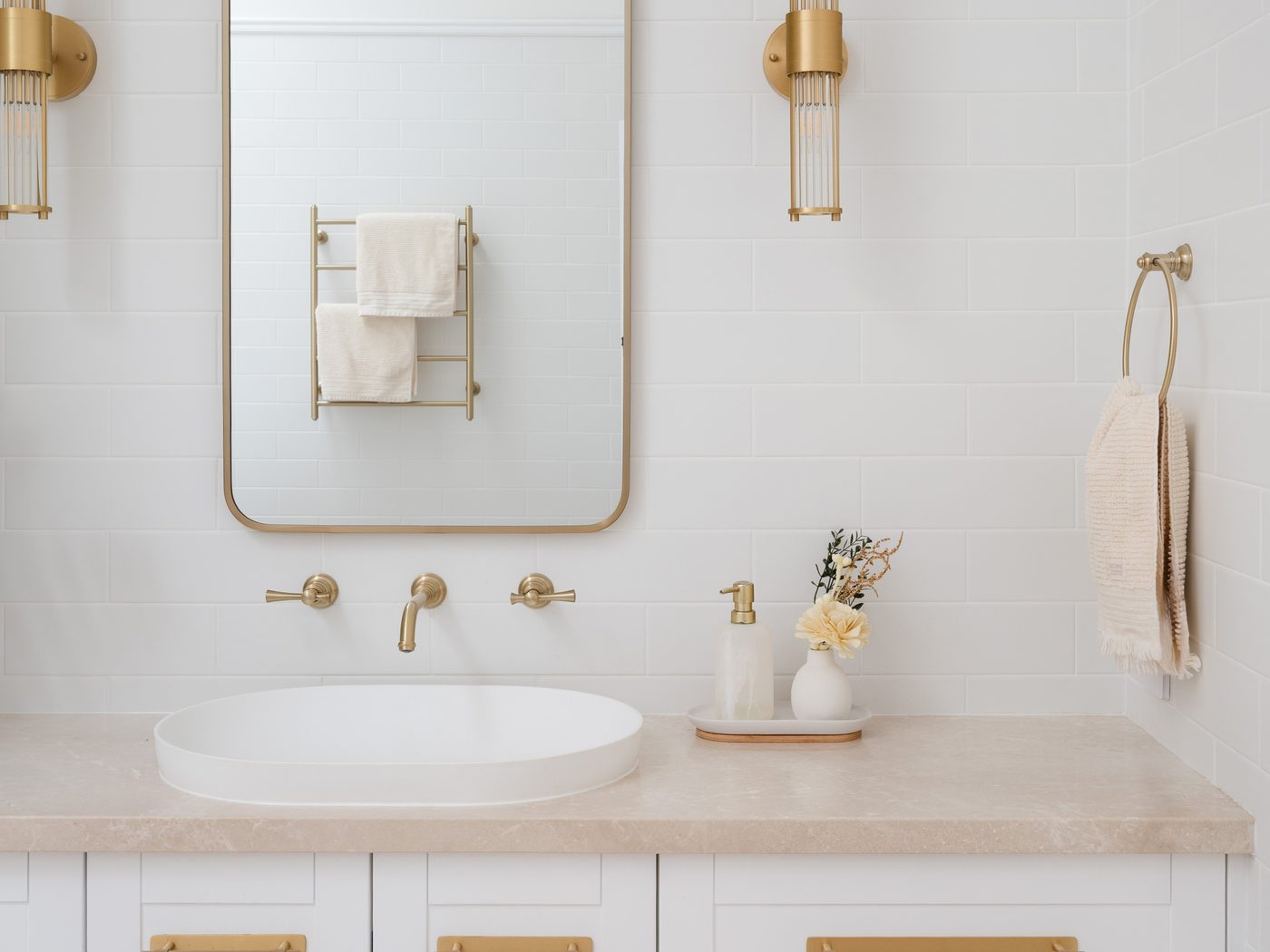
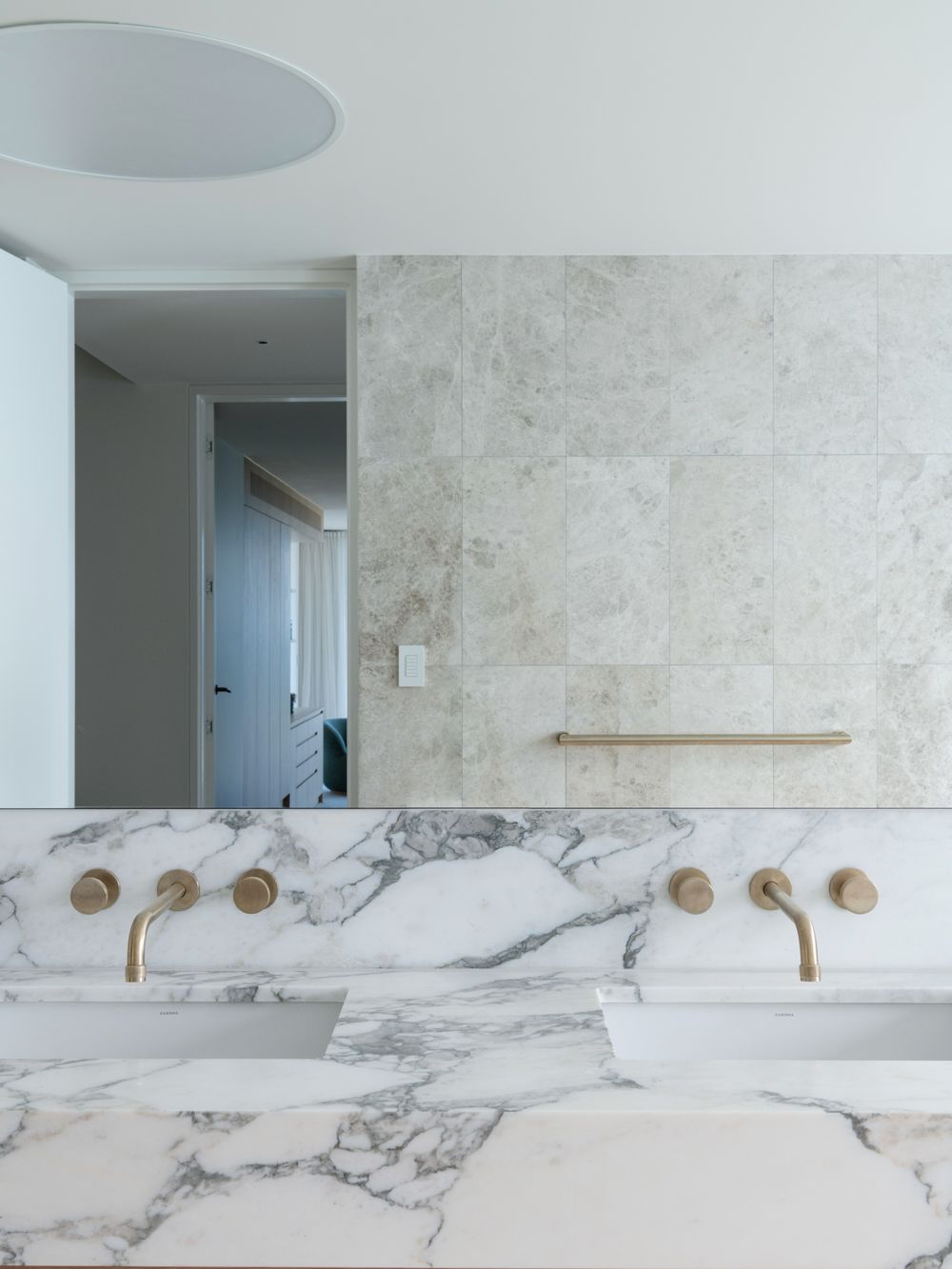
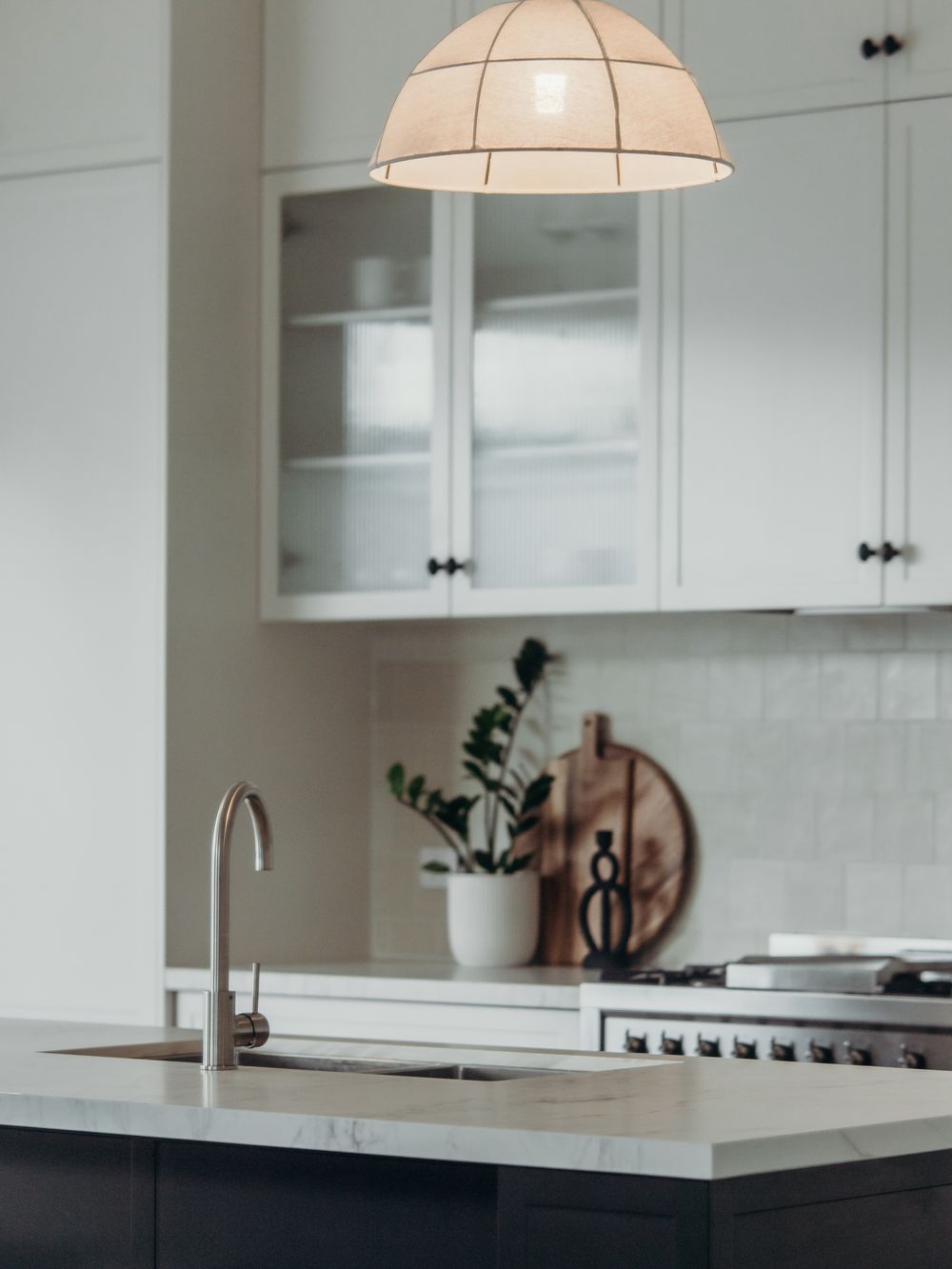
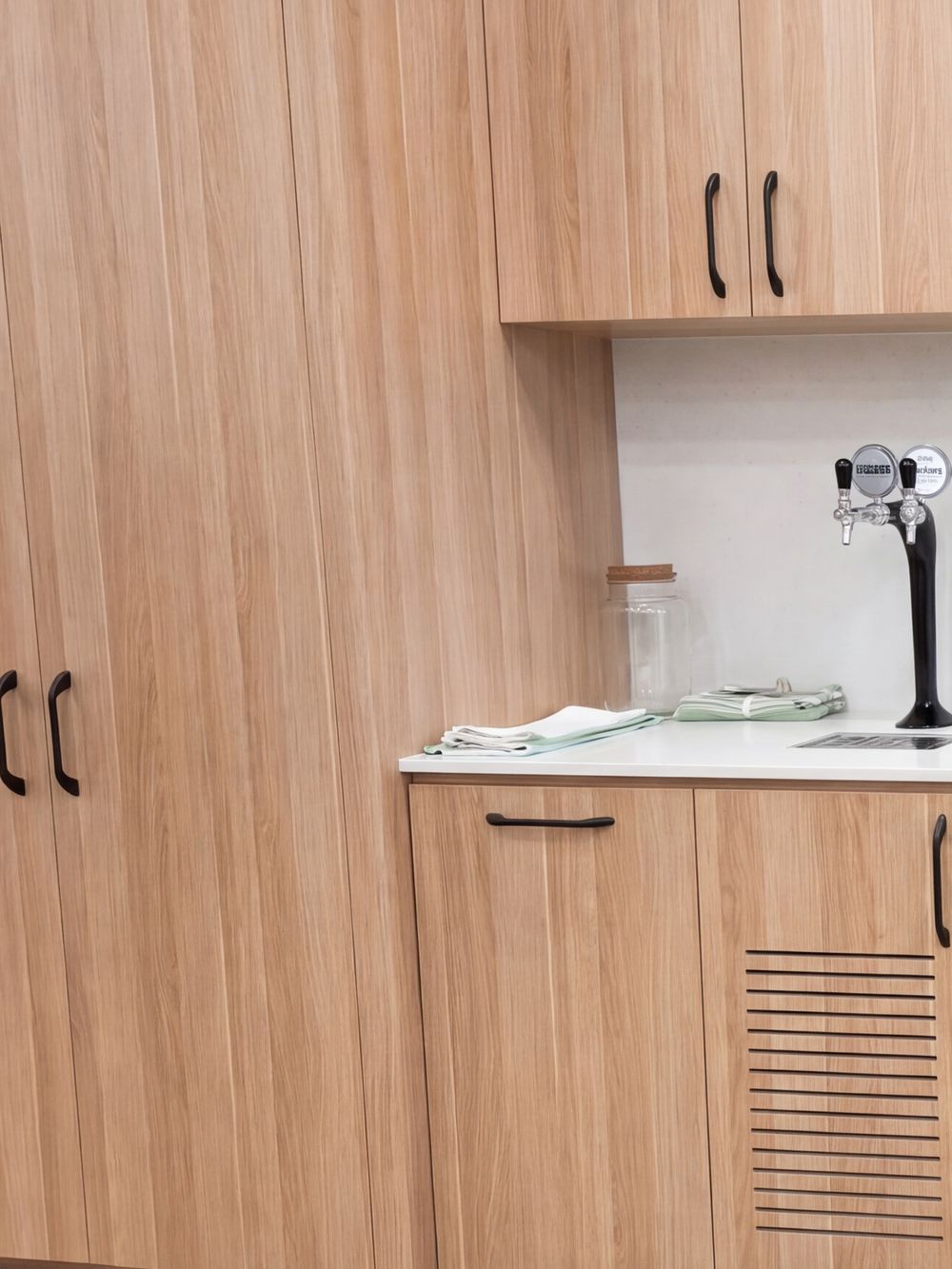
Sintered stone in the rooms that work it hardest, and the other three materials for the rooms under a roof.
Plan the outdoor kitchen before the barbecue arrives.
Bring the deck plans and the appliance list to 7 Nelson Rd, Cardiff. We will show you sintered stone at full size and tell you plainly whether it is the right material for the spot.