Porcelain
Thin or 20mm thick, and hard to hurt.
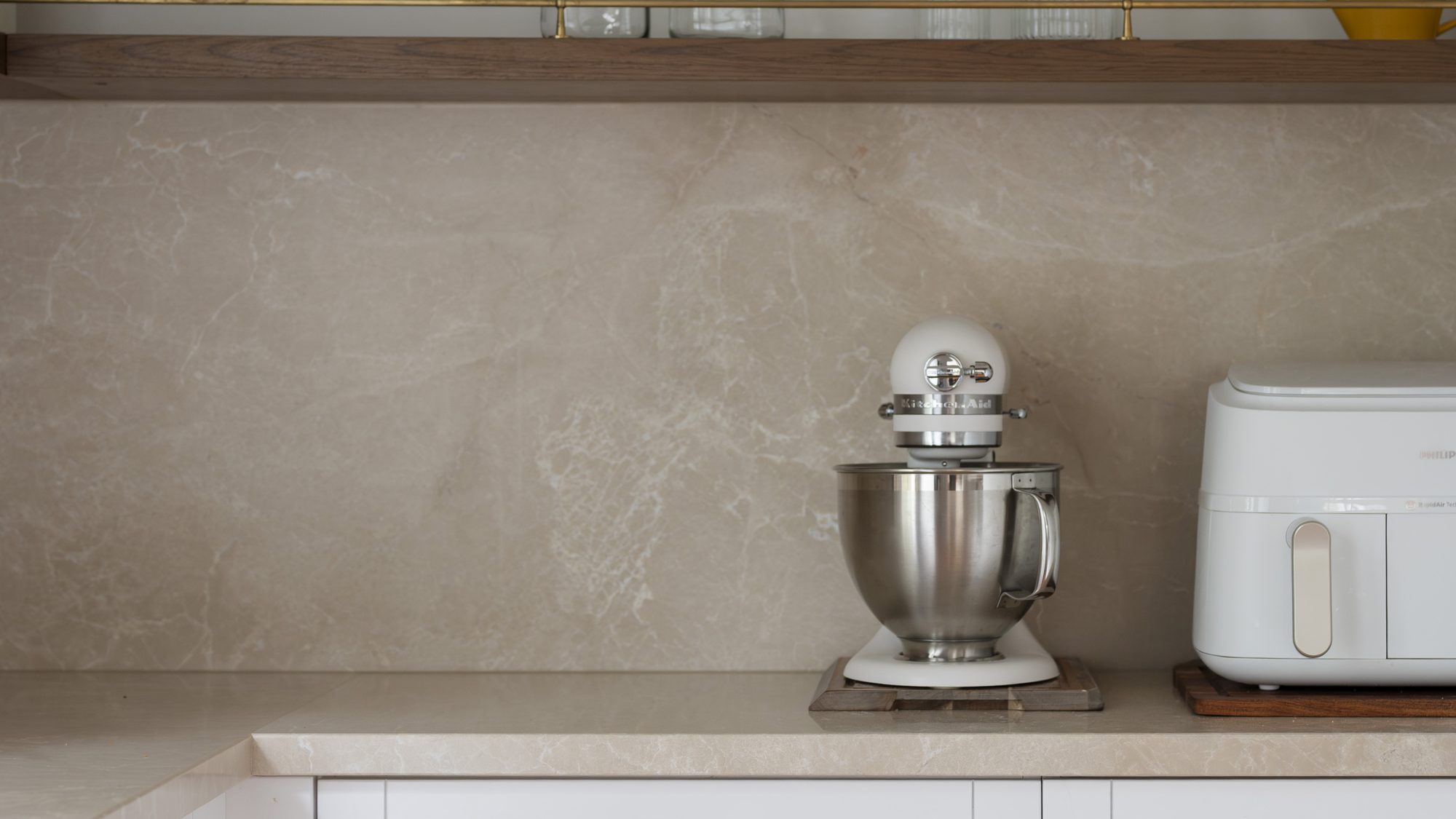
Large-format porcelain slabs for benchtops, splashbacks and commercial counters. Heat and scratch resistant, light to handle, and cut in the same Cardiff factory as everything else we make.
- HeatHandles hot cookwareSuits the bench beside the cooktop
- ScratchesVery hard surfaceEdges and corners can chip if knocked
- OutdoorsYes, UV stableCovered alfresco areas and sunny rooms
- CareWipe, no sealingNon-porous, so nothing soaks in
- LookThin or 20mm, large formatPattern often on the face, so edges are mitred
Fired, not quarried
A slab fired hotter than any kitchen will get.
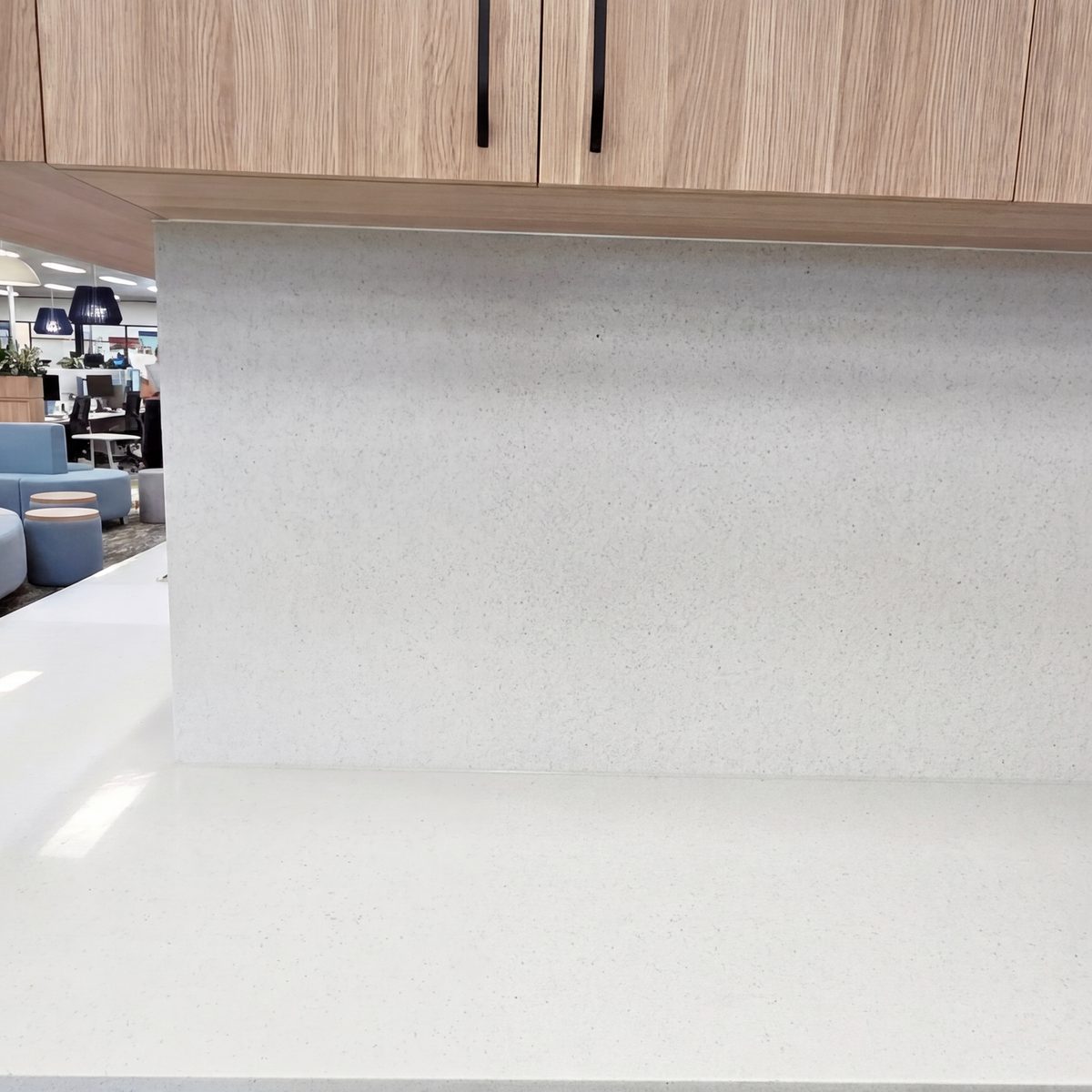
Porcelain is made from clays and minerals pressed into a sheet and fired at very high temperature until it fuses into a dense, glass-hard surface. The same family as the tile on your bathroom floor, but produced as large slabs rather than small pieces, which is what makes it a benchtop and splashback material in its own right.
The firing is where the performance comes from. Porcelain does not absorb liquid, so it does not stain or need sealing. It shrugs off heat, so a hot pan is not the worry it is on other manufactured surfaces. It is hard enough to resist scratches from day-to-day use. And because the thin slabs are light for their size, they can run full height up a wall behind a cooktop or wrap a long reception counter with very few joins.
The one thing to understand before you choose it: on many porcelain slabs the pattern is printed on the face rather than running through the body, which changes how edges are detailed. We will show you exactly how your edge will look before anything is cut, and tell you plainly whether porcelain is the right answer for the job.
- Large-format slabs, thin or 20mm, with few joins
- Handles hot cookware well
- No sealing
What porcelain shrugs off, and the one thing to know.
Five reasons people choose it, and the honest caveat we would rather you heard from us.
What it gives you
Big slabs, slim edges, fewer joins.
- Heat. Porcelain handles hot cookware well, which is why it suits splashbacks and benches beside the cooktop. The supplier's care guide has the specifics.
- Scratches. A very hard surface that stands up to knives, pans and keys in daily use.
- Stains. Non-porous, so wine, oil, coffee and turmeric sit on top and wipe away. Nothing soaks in and there is no sealing to keep up.
- UV stable. The colour holds in a north-facing kitchen or a covered outdoor area, which manufactured slabs with resin in them cannot always promise.
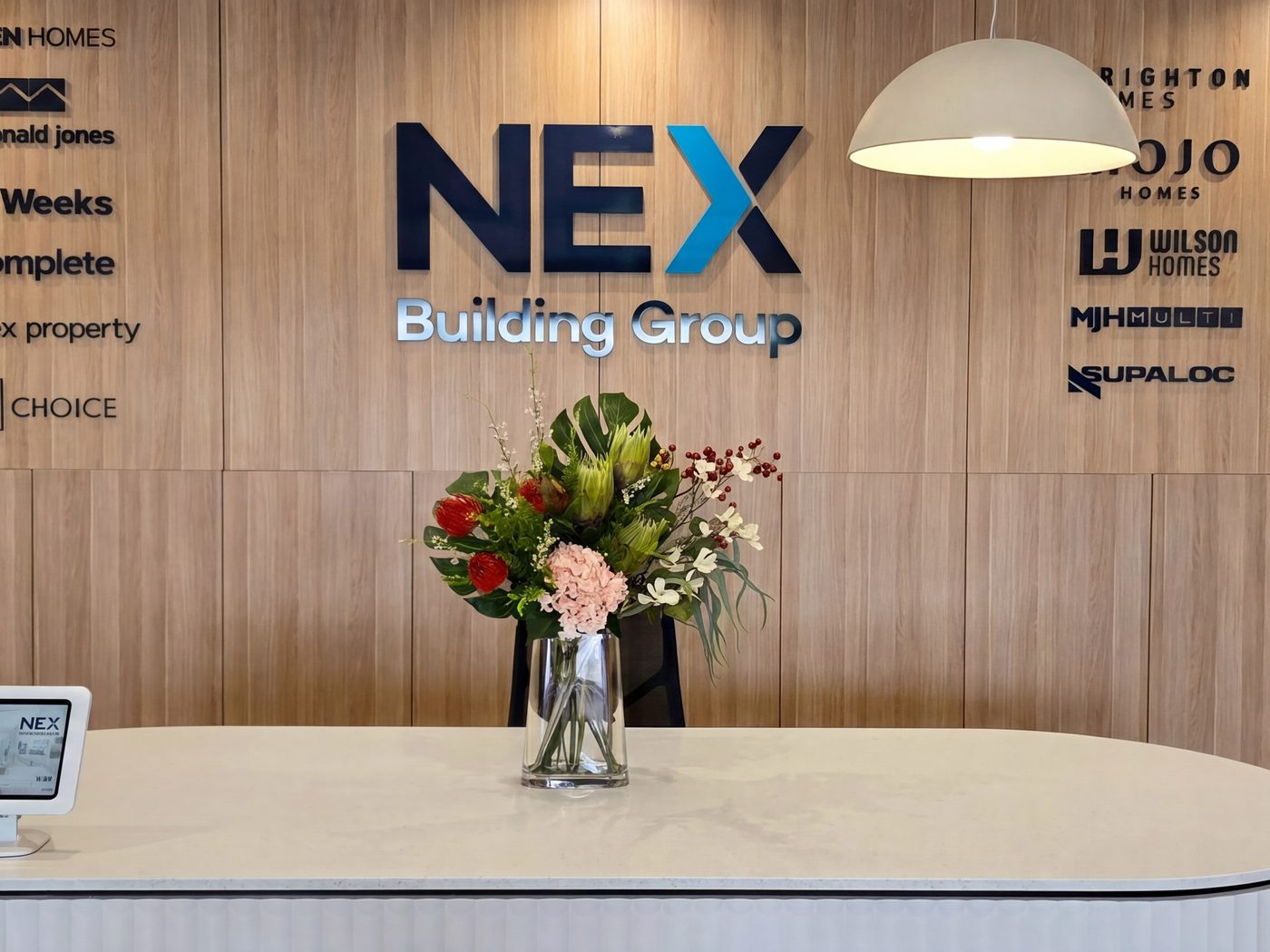
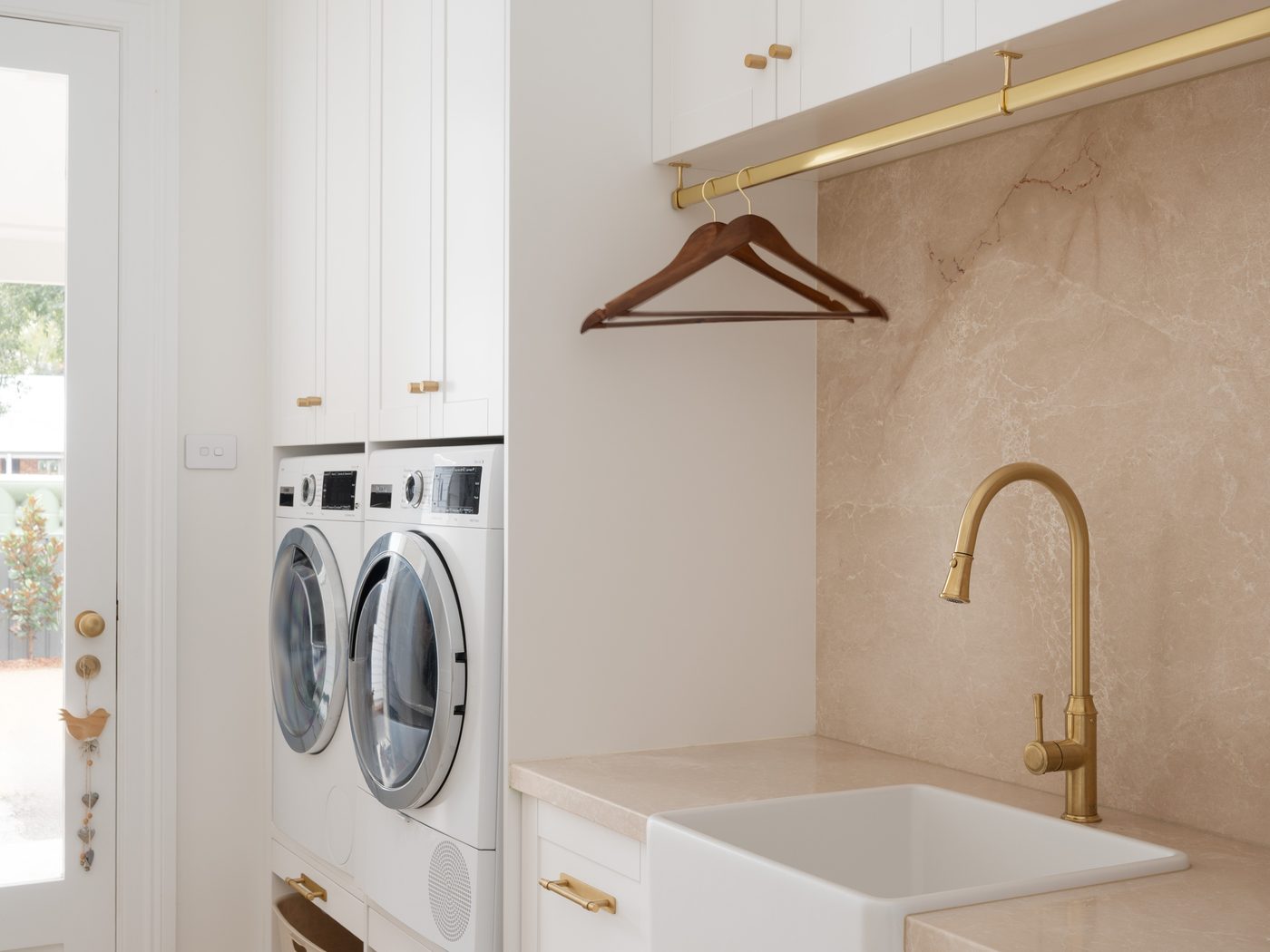
- One uninterrupted sheet. The thin slabs are light for their size, so they run full height up a wall behind a cooktop or wrap a long reception counter with very few joins.
- Where it earns its place: full-height splashbacks behind cooktops and ranges, reception desks, shop counters and kitchenettes that take a daily beating, benchtops with a slim edge or a mitred edge built up to look thicker, bathroom walls, vanity tops and shower niches, fireplace cladding and feature walls, and sunny rooms where colour has to hold. Among the ranges we fabricate, Caesarstone Porcelain, Smartstone, Vasari Surfaces and Infinity are porcelain.
What it asks of you
An edge decision, and a chopping board.
- Pattern on the face. On many porcelain slabs the pattern is on the surface, not through the body. Edges are mitred so the pattern carries around the corner, and we will show you how yours will look before anything is cut.
- Like glass, a hard knock on an exposed edge or corner can chip it, so the edge profile and where the bench sits in the room matter. We talk that through at the check measure.
- A chopping board is still kinder to your knives than the bench is.
- Simple care. A damp cloth and a pH-neutral cleaner. No abrasive pads, no sealing, no fuss. Follow the supplier's guide for anything stubborn.
- For a barbecue bench that cops full sun and weather we would also show you sintered stone, the thicker, heavier cousin built for exactly that.
Handled like glass, finished like stone.
- Cut
Cut and mitred to suit the slab
A porcelain slab is large and very hard, whether thin or 20mm thick, which makes it strong in place and unforgiving in the workshop. It is cut on CNC machines in our dust-free Cardiff factory with the tooling it needs, and the edges are mitred and finished by hand. Where you want a thicker-looking edge on a thin slab, we mitre a strip and build the edge up so the face pattern wraps the corner cleanly.
- Measure
Splashbacks measured in your home
Splashbacks are measured in your home around the power points, the rangehood and the window returns, so the one big sheet lands exactly where it should. Cut-outs for sinks and cooktops are planned at the check measure with a tradesman's eye for what sits underneath.
- Install
Carried in by the same team
The same team that measured and cut the job carries it in and installs it. Porcelain's weight makes that easier than stone on a long run, and it is one reason it suits upper-floor apartments and commercial fitouts that have to happen on program.
Splashbacks, counters and the rooms around them.
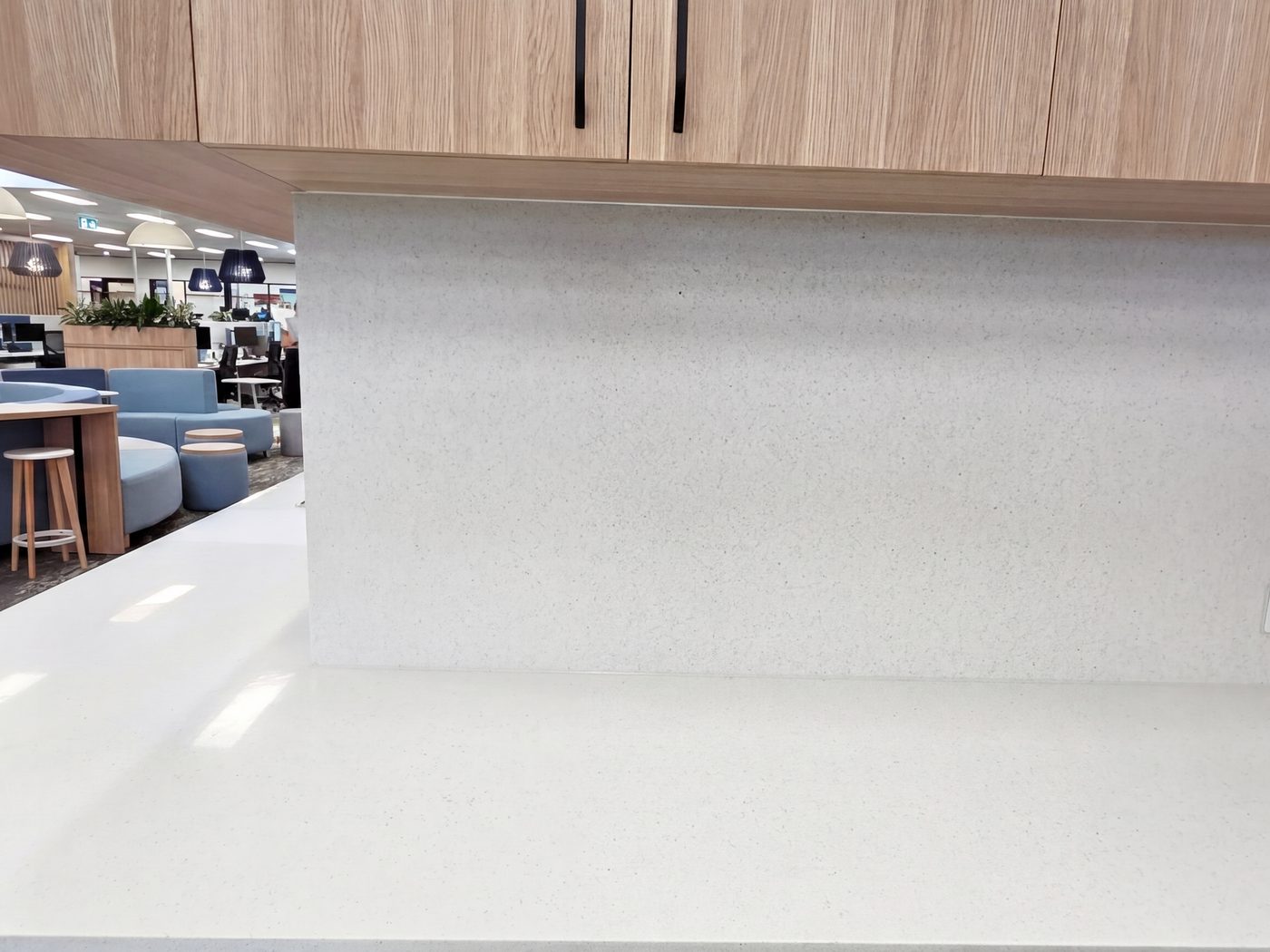
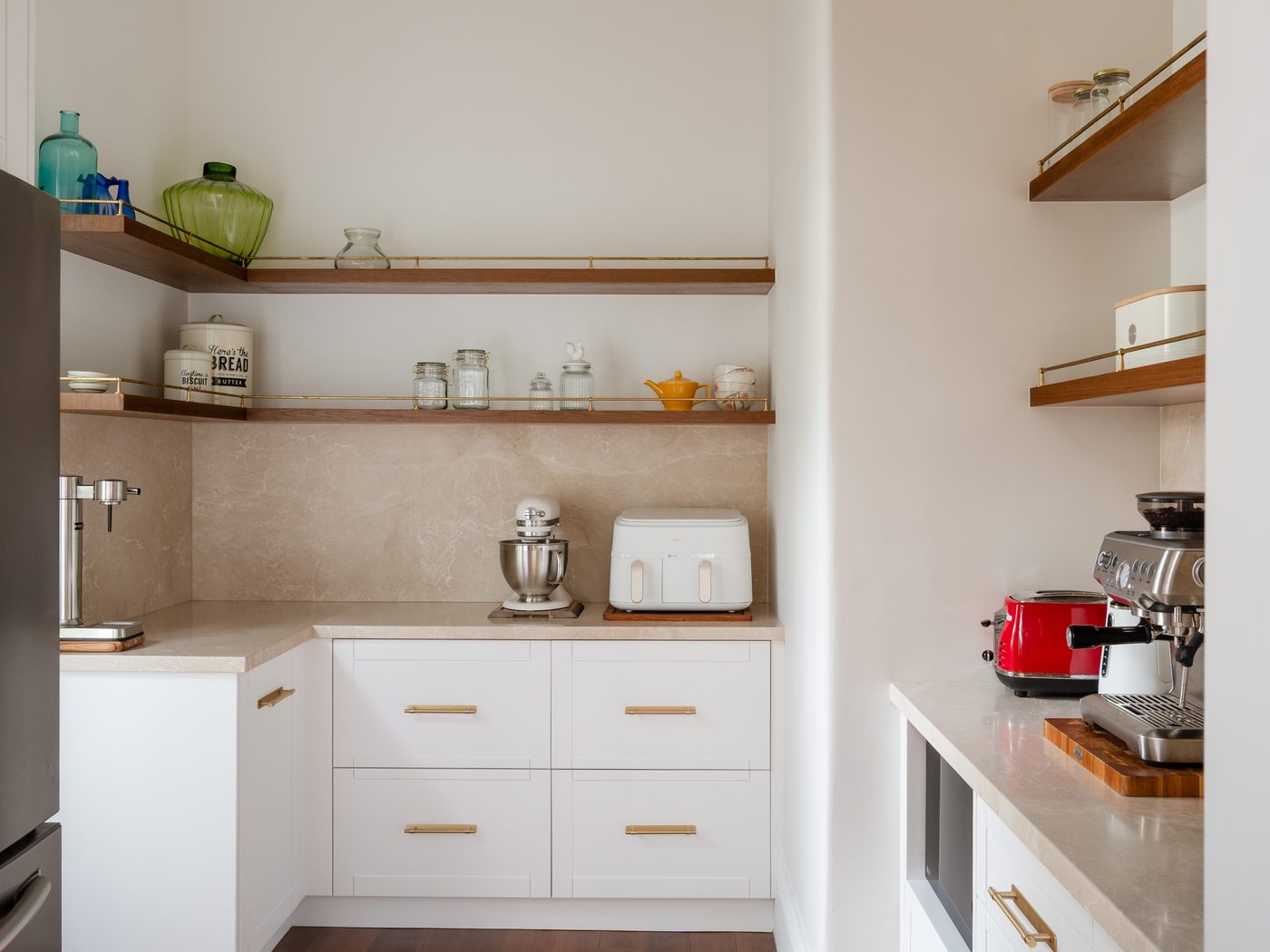
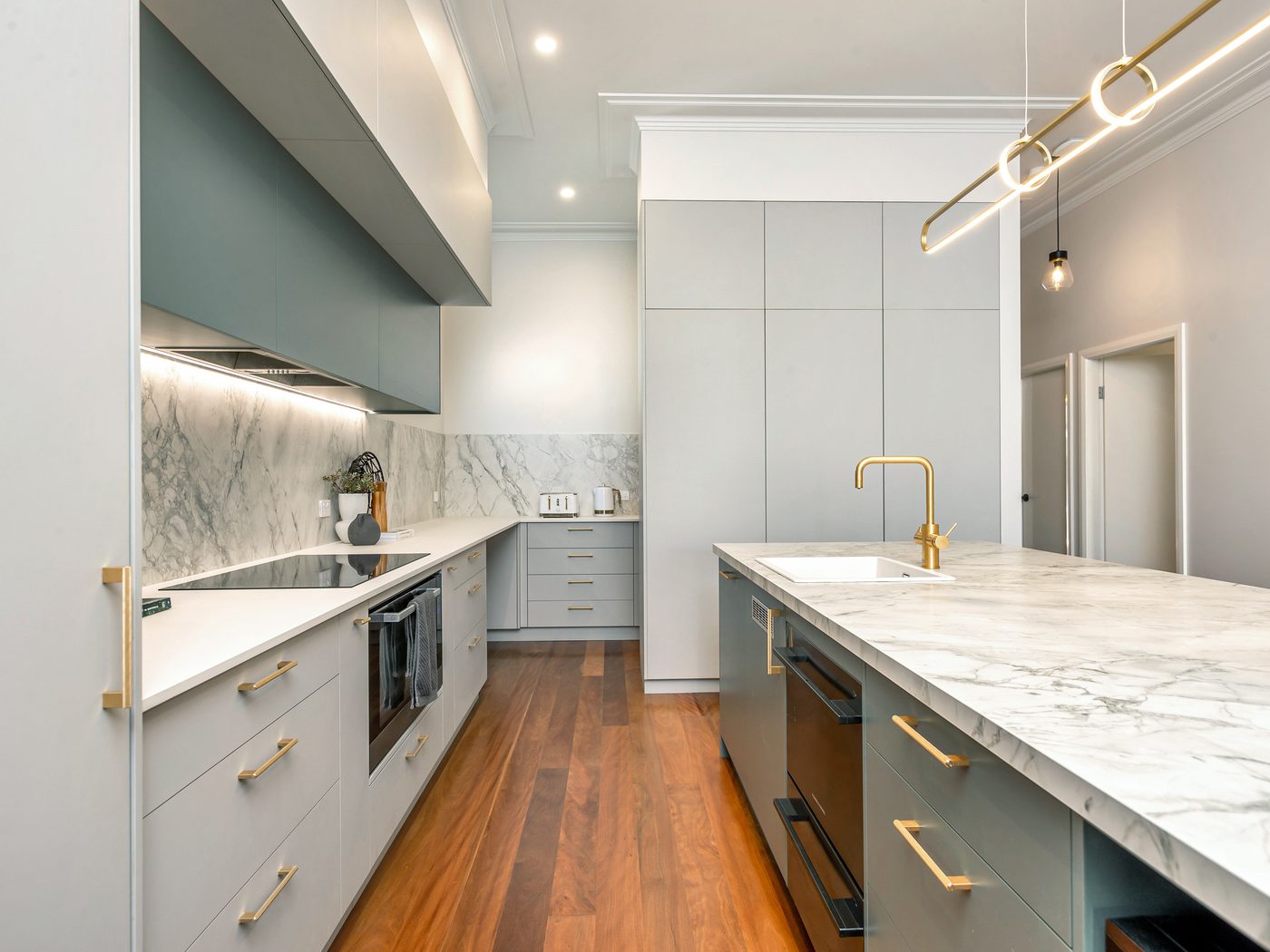
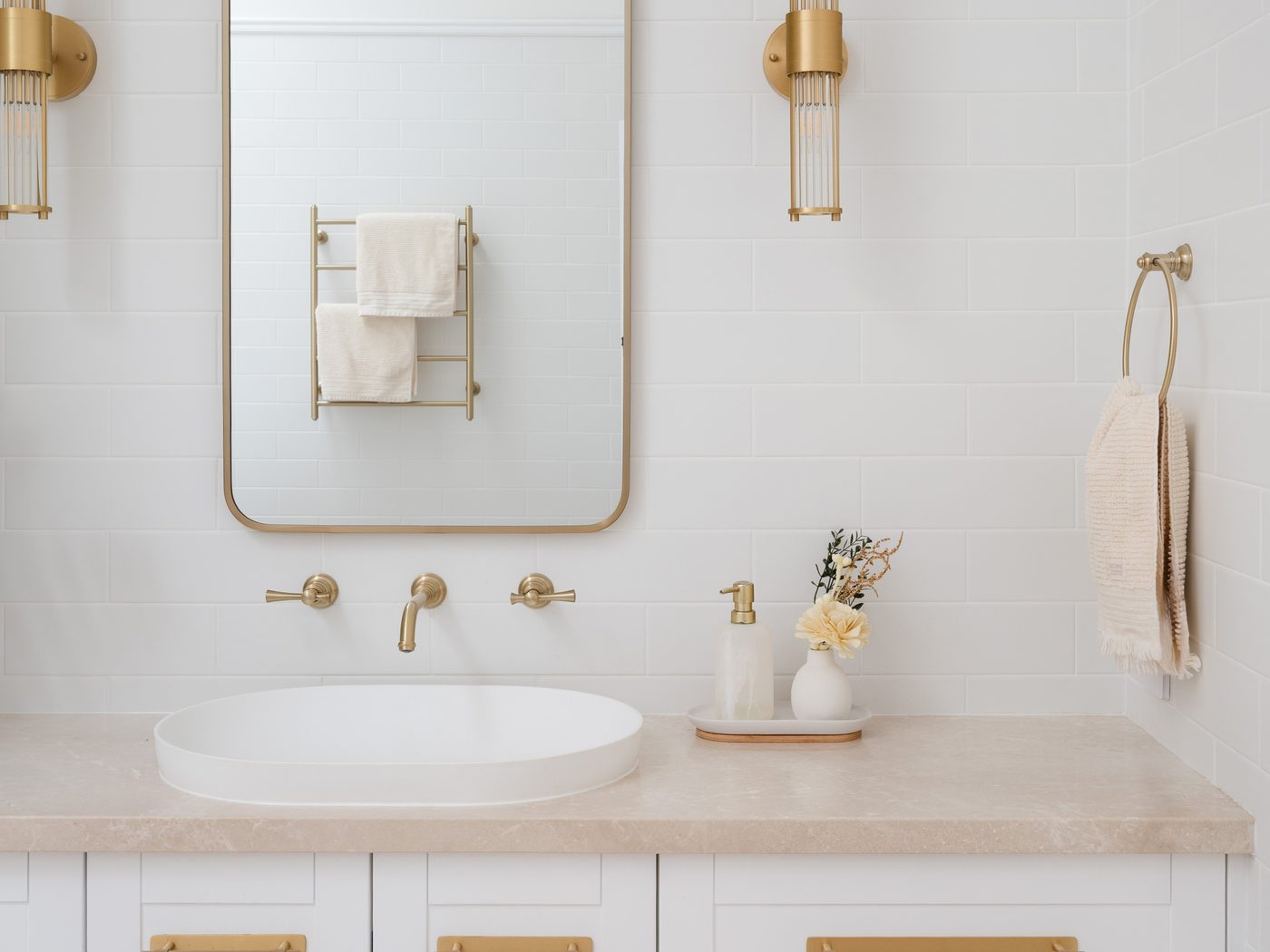
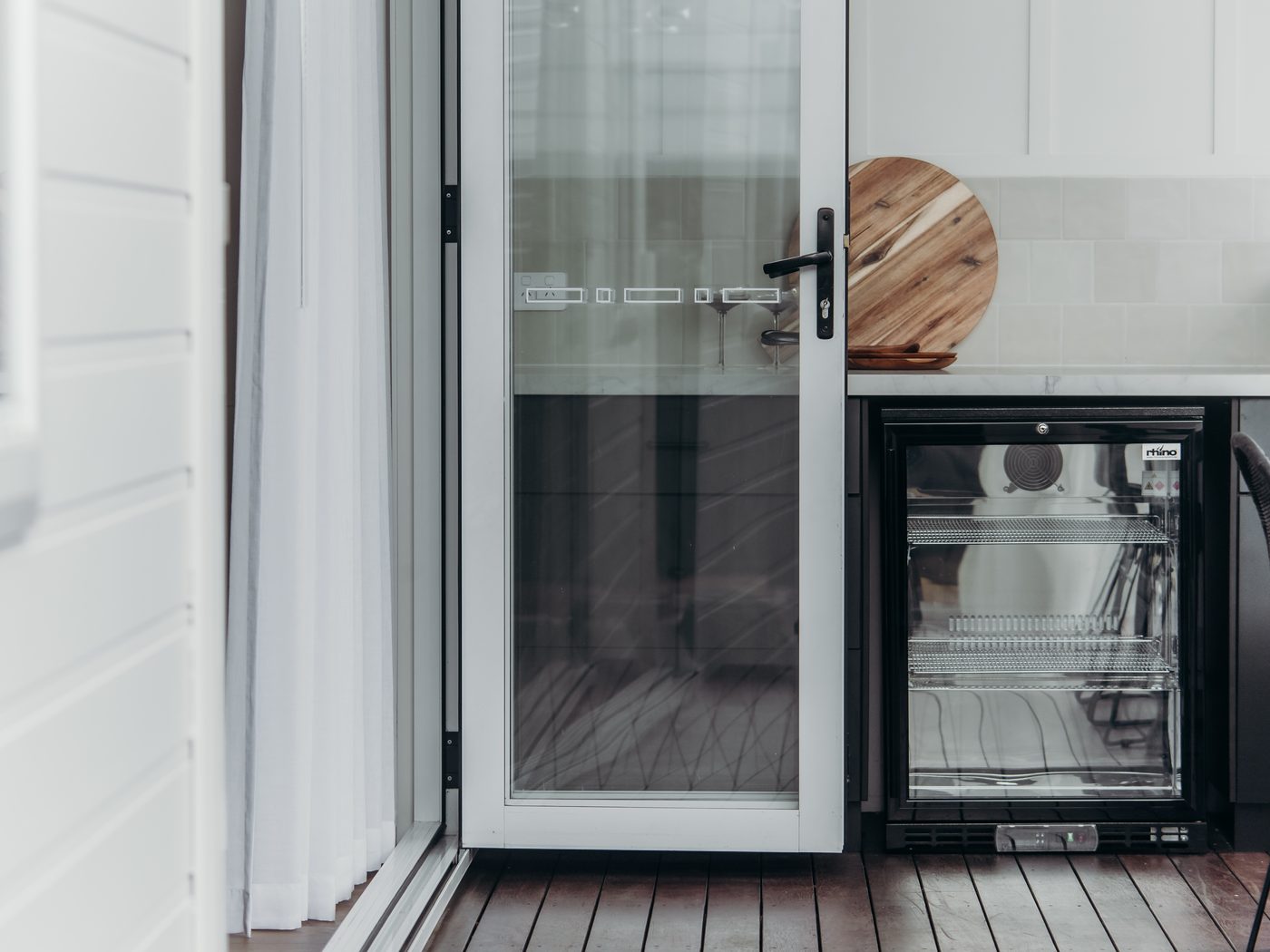
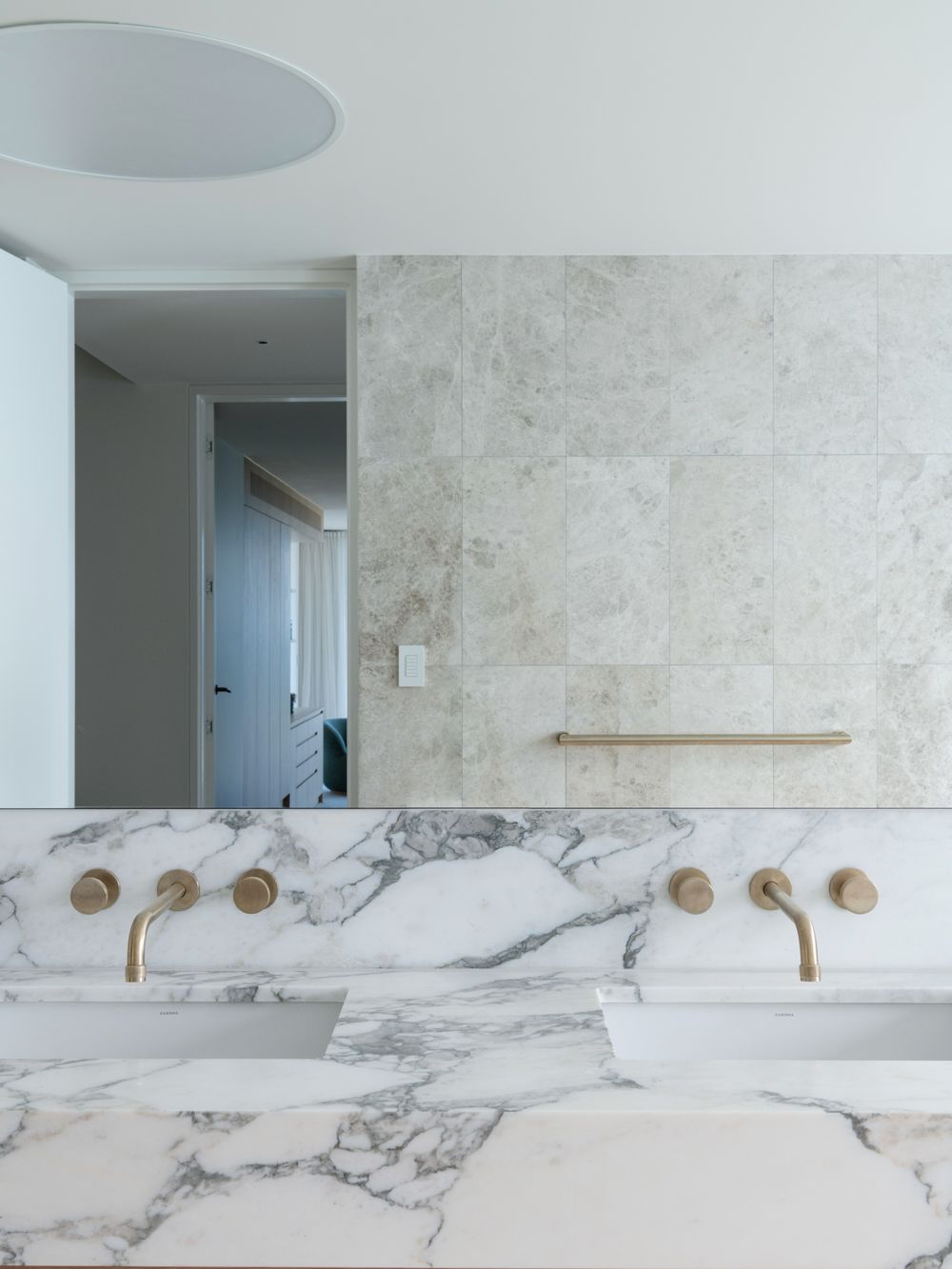
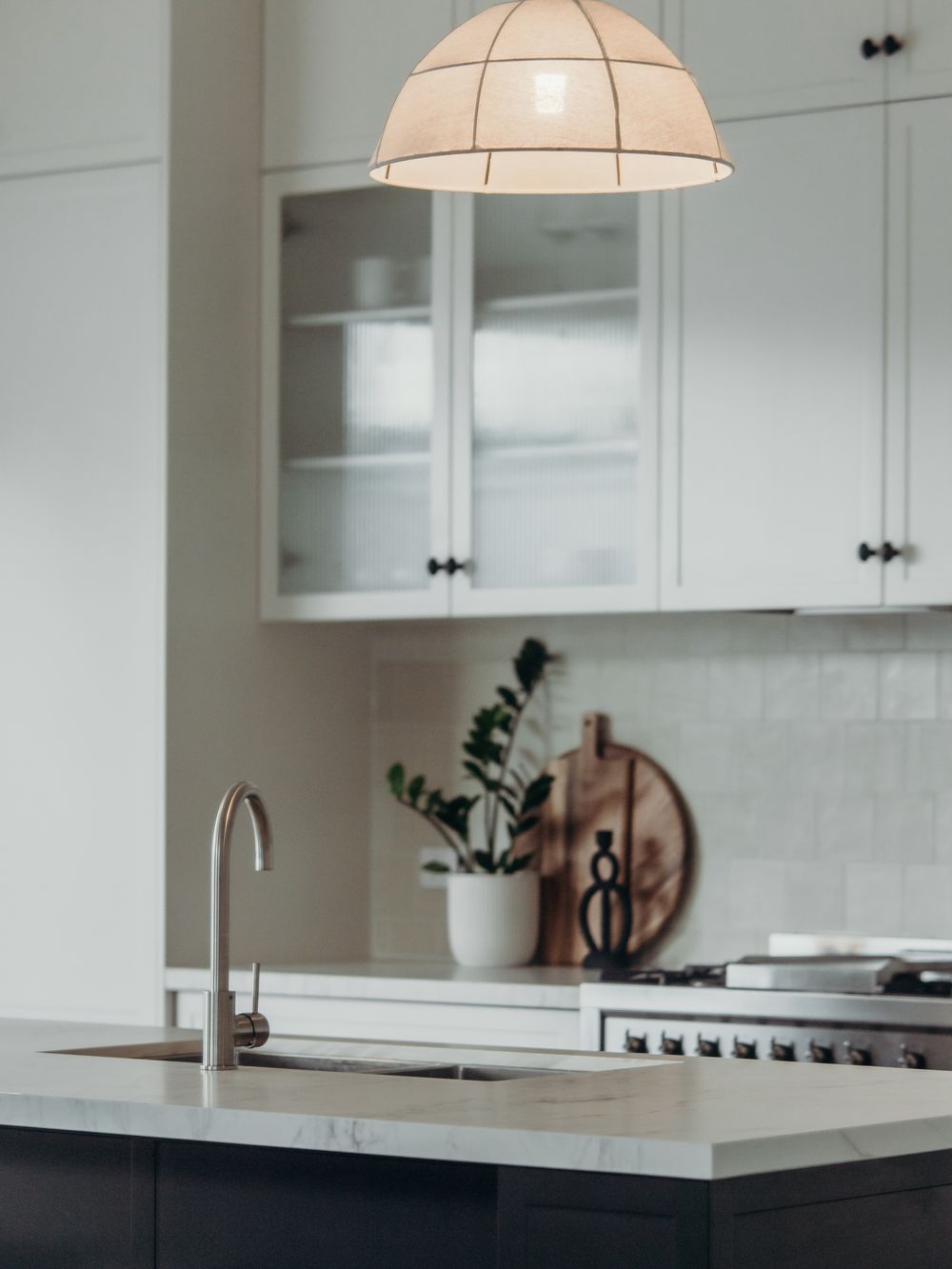
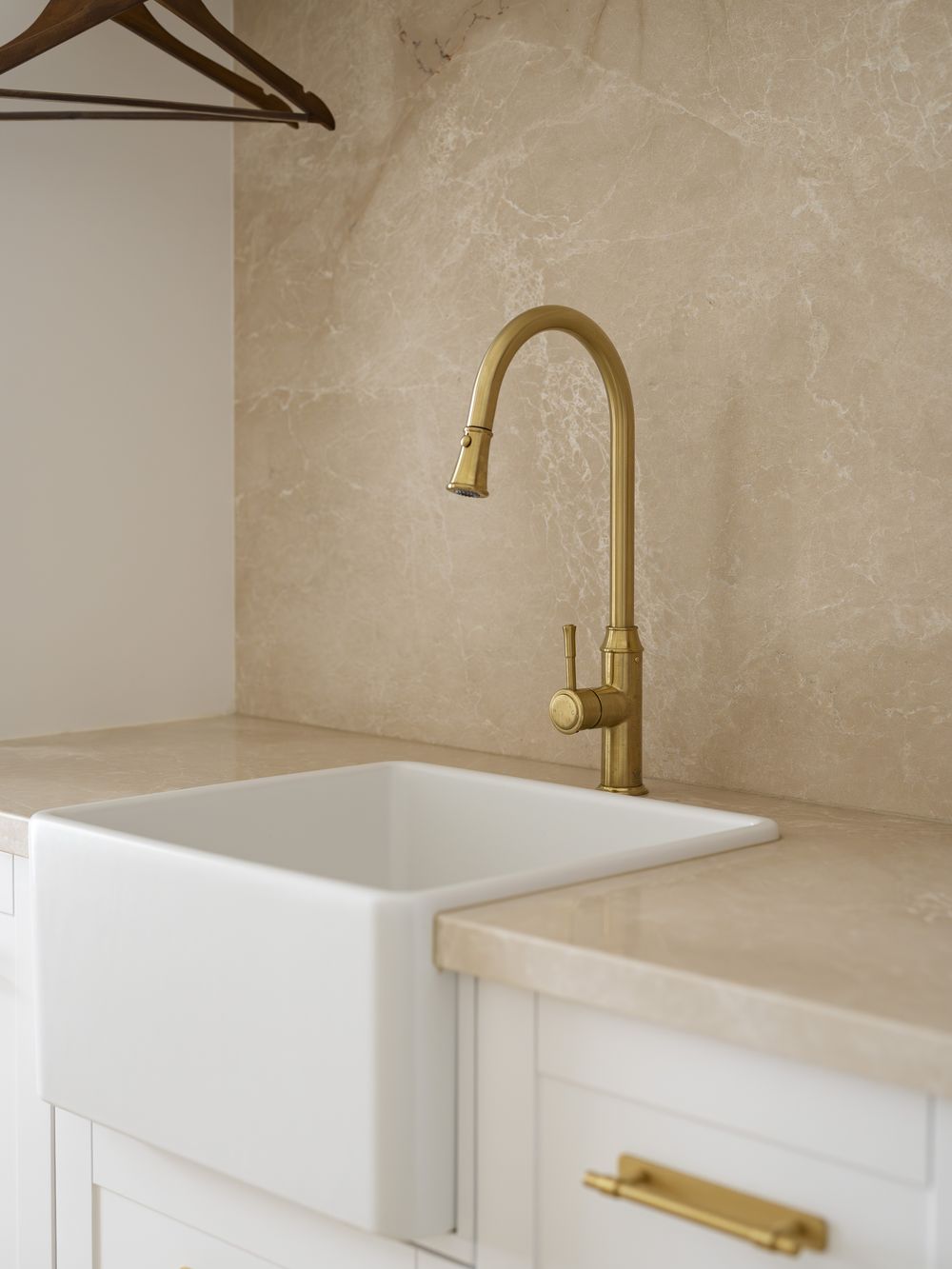
Recent projects in Newcastle, Bolwarra and Dawson St, photographed after handover. Surfaces vary from job to job, so come and see porcelain at full size in the showroom.
Porcelain questions
What people ask when they first hear the word.
Plain answers, the same as you would get in the showroom. If yours is not here, call or ask when you visit.
Is porcelain the same as the tiles in my bathroom?
Same family, different format. Bathroom tiles are porcelain fired in small pieces. Benchtop porcelain is fired as large slabs so a whole splashback or counter can be one sheet. It has the same hardness and the same resistance to water and stains, at a scale that works for a kitchen.
Can I put a hot pan on porcelain?
Porcelain handles heat well, and that is one of the main reasons people choose it for the bench beside the cooktop and for the splashback behind it. Follow the supplier's care guide for the specifics of your slab. A trivet remains a good habit on any benchtop.
Will porcelain scratch or chip?
It is very scratch resistant in daily use. Like glass, though, a hard knock on an exposed edge or corner can chip it, so the edge profile and where the bench sits in the room matter. We will talk through that at the check measure and advise where a built-up edge or a different material would serve you better.
Why are porcelain edges mitred?
On many porcelain slabs the pattern is printed on the face rather than running through the body. A plain cut edge would show the slab's core, so edges are mitred and joined so the face pattern wraps around the corner. It is also how we build a thin slab up into a thicker-looking bench, if you want that look without going to a 20mm slab.
Can porcelain go outside?
Yes. It is UV stable and does not absorb water, so it suits covered alfresco areas and outdoor splashbacks. For a barbecue bench that cops full sun and weather we would also show you sintered stone, which is the thicker, heavier cousin built for exactly that. We will tell you plainly which suits the spot.
Is porcelain only for commercial jobs?
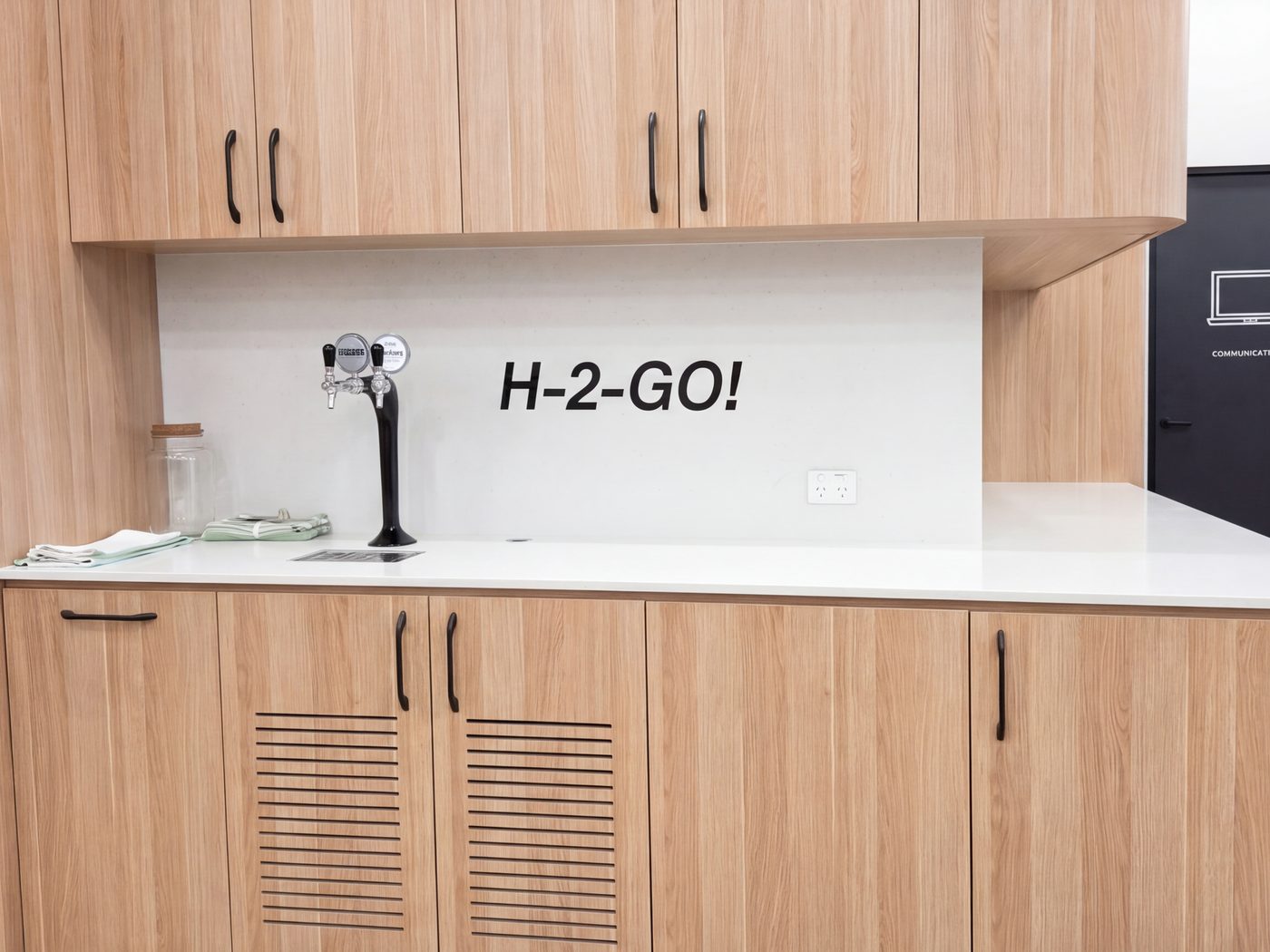
No. It is popular on reception desks and shop counters because it takes a beating, but at home it is just as at ease as a full-height splashback, a slim island top or a bathroom wall. The Bolwarra and Dawson St photos on this page are family homes.
How thick is a porcelain benchtop?
Usually thinner than a typical stone slab, which is part of its appeal and part of why it is light to handle, and also available 20mm thick. If you prefer the look of a conventional thick bench, choose a 20mm slab, or we mitre and build up the edge of a thin one so you get that profile with porcelain's performance. Ask us in the showroom and we will show you both.
Where it suits, and what else to look at.
Porcelain in the rooms where it earns its place, and the other three materials where they suit the job better.
See a porcelain slab at full size.
Porcelain makes more sense when you stand in front of a whole sheet. Come to 7 Nelson Rd, Cardiff, or email your plans and we will quote from those.