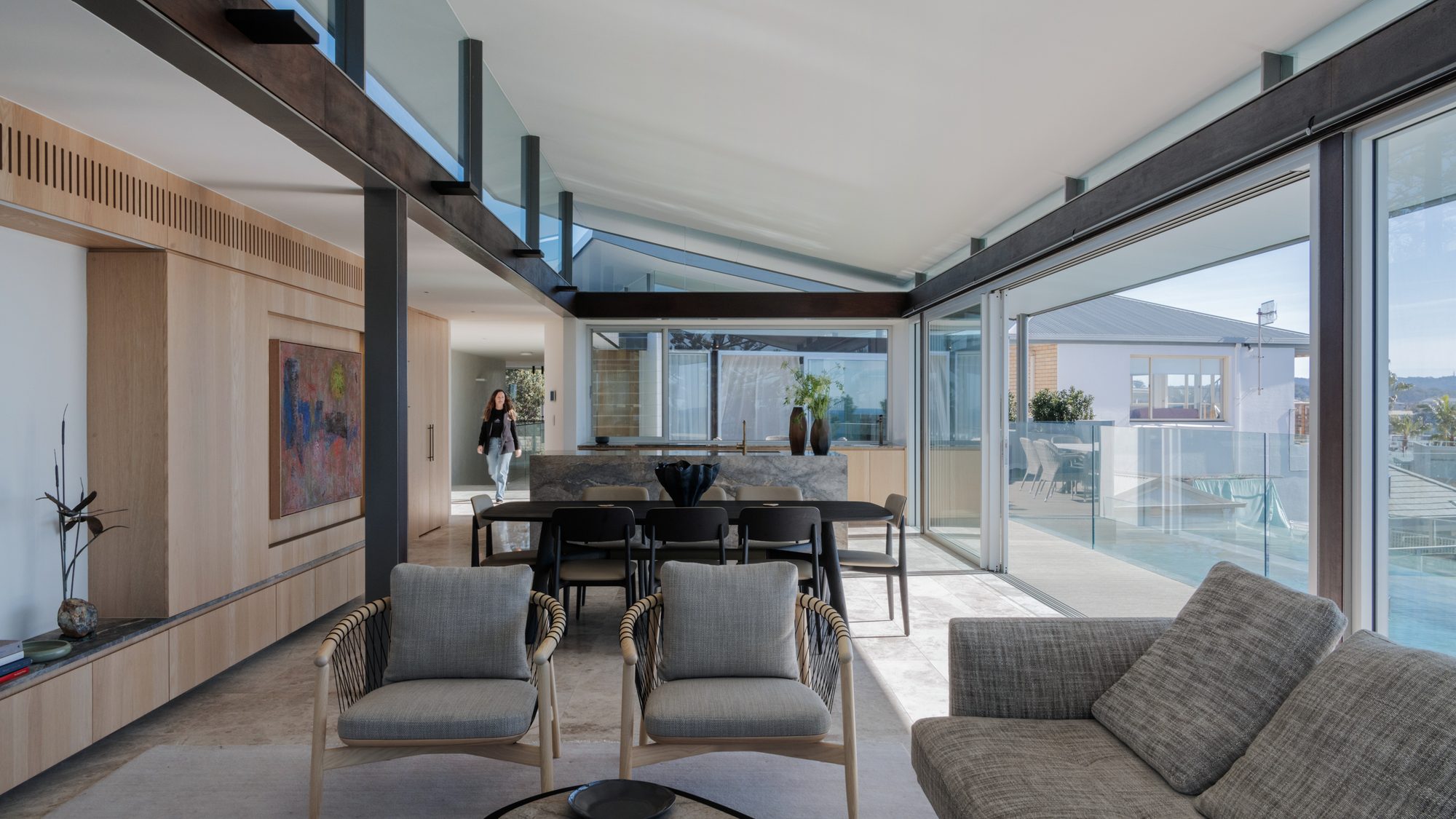
Natural stone
No two slabs are ever the same.
Marble, granite and quartzite, chosen from the whole slab and cut to its best figure in our Cardiff factory. One of a kind, and worth standing in front of before you decide.
- HeatGranite and quartzite copeTrivets are still the habit we recommend
- ScratchesVaries by stoneMarble is the softest, quartzite the hardest
- OutdoorsGranite yes, marble noSome quartzites cope; ask about your slab
- CareSeal and wipe spillsSealed at install, resealed periodically
- LookOne of a kindThe pattern runs through the whole slab
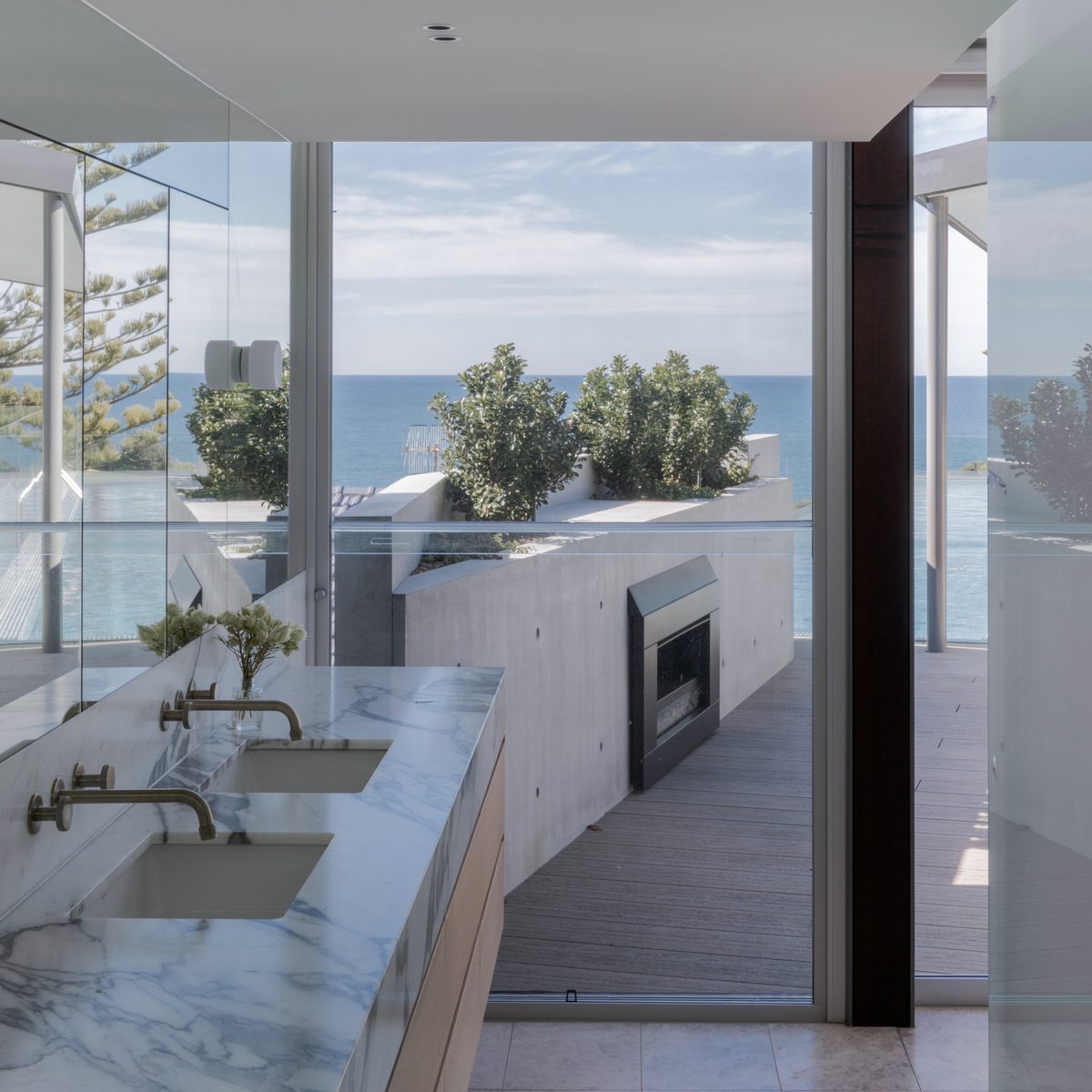
Quarried, not made
Stone that was millions of years in the making.
Natural stone is cut from the earth, sawn into slabs and polished. Nothing about the pattern was designed, which is exactly why people want it: the veining, the colour shifts and the small flaws are the record of how that particular piece of rock formed. The slab you choose is the only one like it anywhere, and the kitchen or bathroom it goes into will be the only one like it too.
We cut three families of natural stone. Marble is the classic, soft to the touch and soft in character, with the long veins most people picture when they think of stone. Granite is dense and hard, with a speckled or flowing grain, and it has earned its reputation as the hard-working natural bench. Quartzite is harder again, often with a look that is mistaken for marble but without marble's tenderness.
Because every slab is different, this is the one material you should never choose from a photo or a sample. The showroom at 7 Nelson Rd lets you see the whole sheet, and we will lay your job out on it so the figure lands where you want it before anything is cut.
- Marble, granite and quartzite
- Every slab one of a kind, seen whole before you choose
- Sealed, then resealed over time
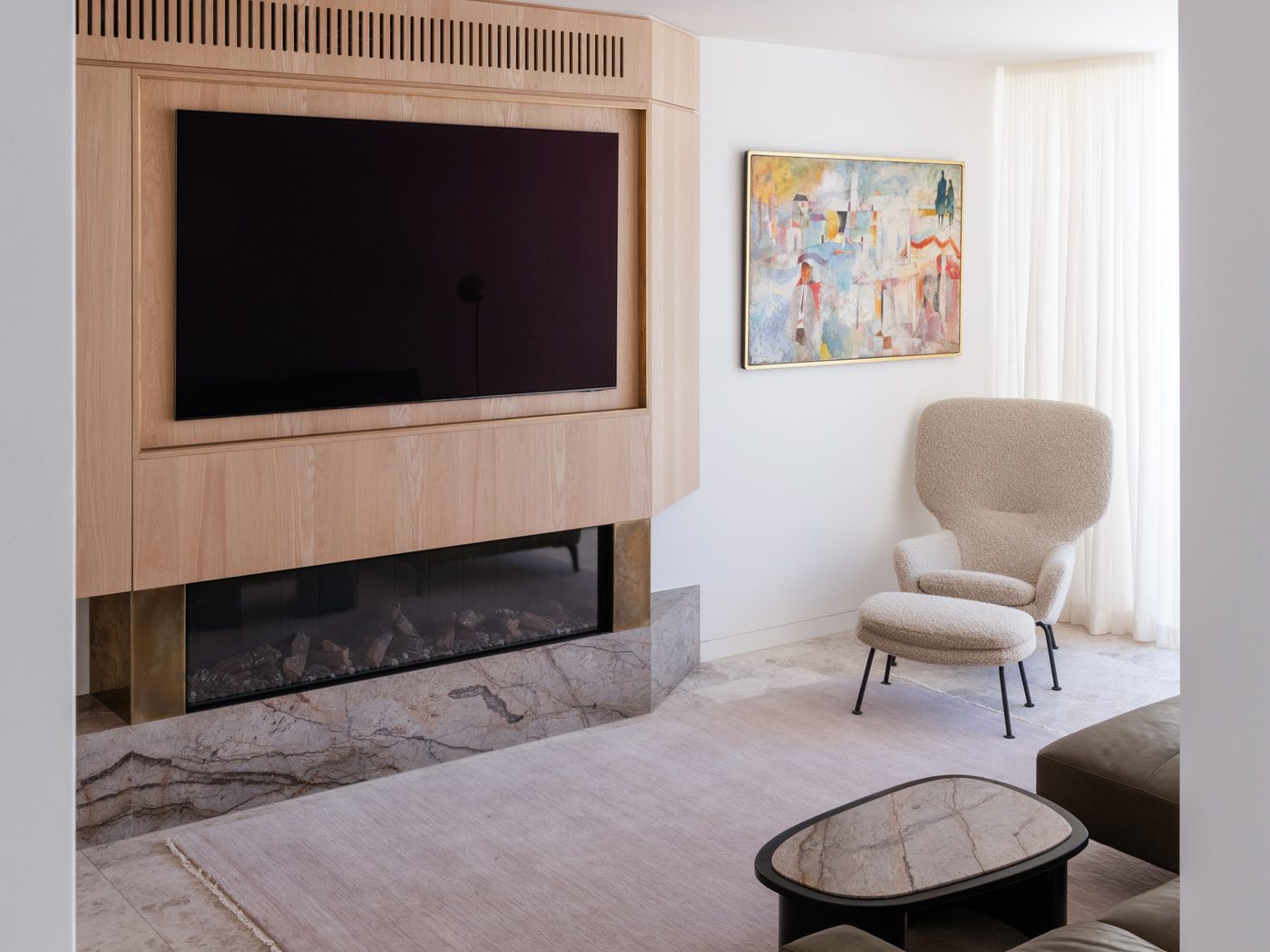
What natural stone gives you, and what it asks back.
An educated customer is a good customer. Here is the honest version, before you fall for a slab.
What it gives you
Three stones, three temperaments.
- One of a kind. No printed pattern, no repeat. The slab you choose in the showroom is the slab in your home, and nobody else has it.
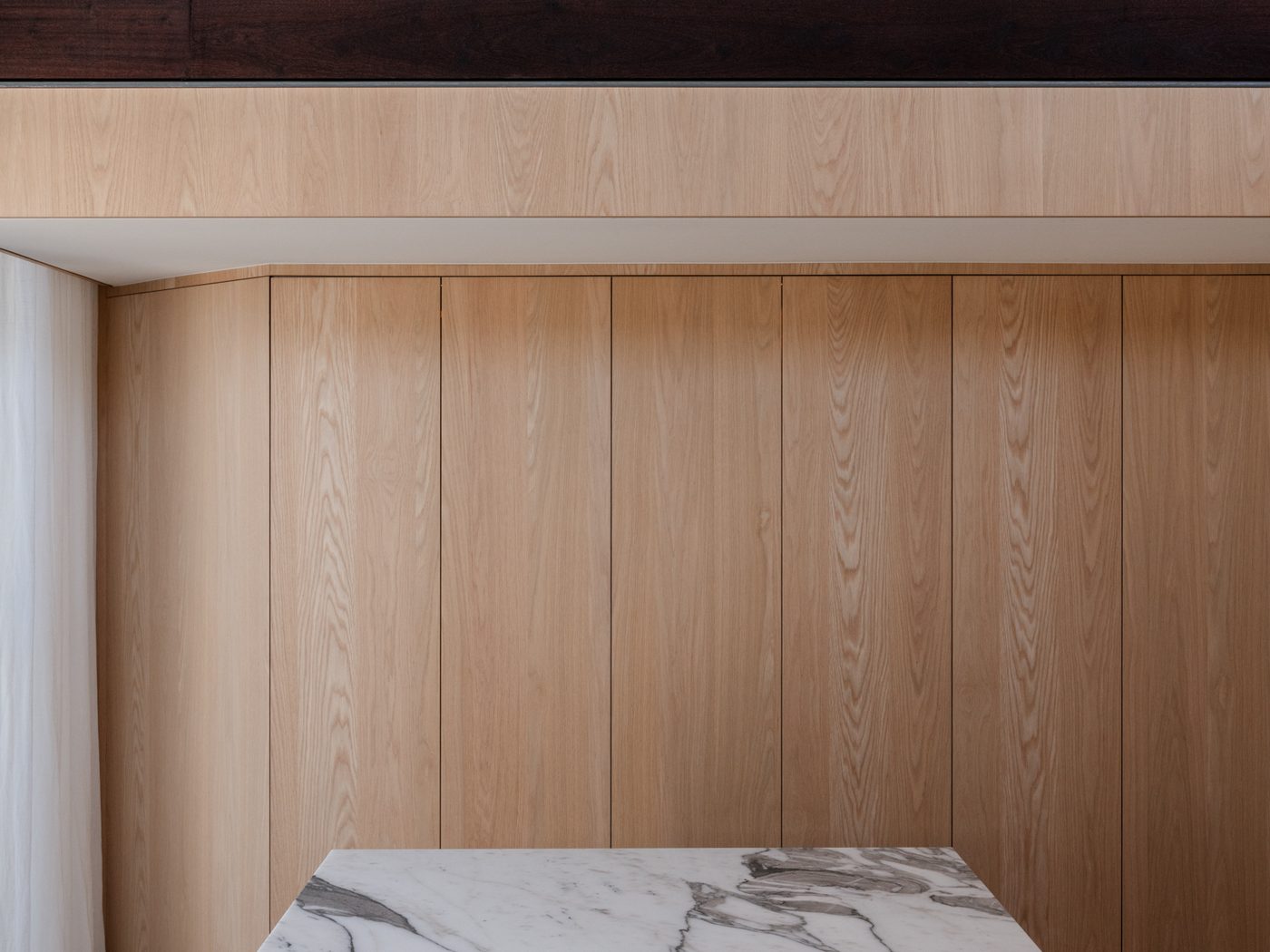
- Depth you cannot print. The figure runs through the whole thickness, so edges, mitres and waterfall ends read as one solid piece of stone.
- Granite and quartzite take heat and a busier life without complaint. Both cope well with warm cookware. Marble rewards care and shows its age gracefully.
- Veins where you want them. Your job is laid out on your actual slab with you, so the best of the figure lands on the island and a strong vein does not run into a sink cut-out.
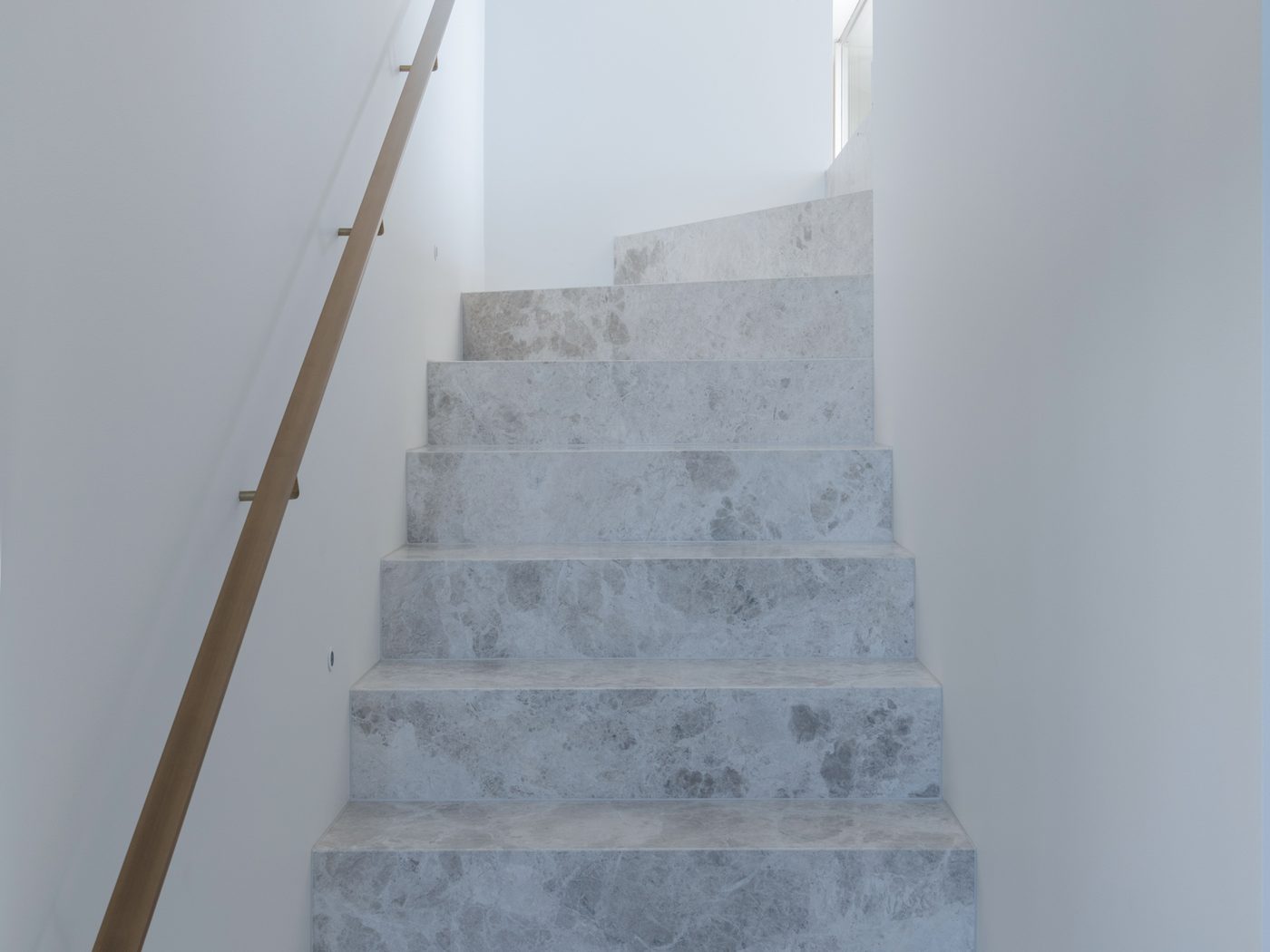
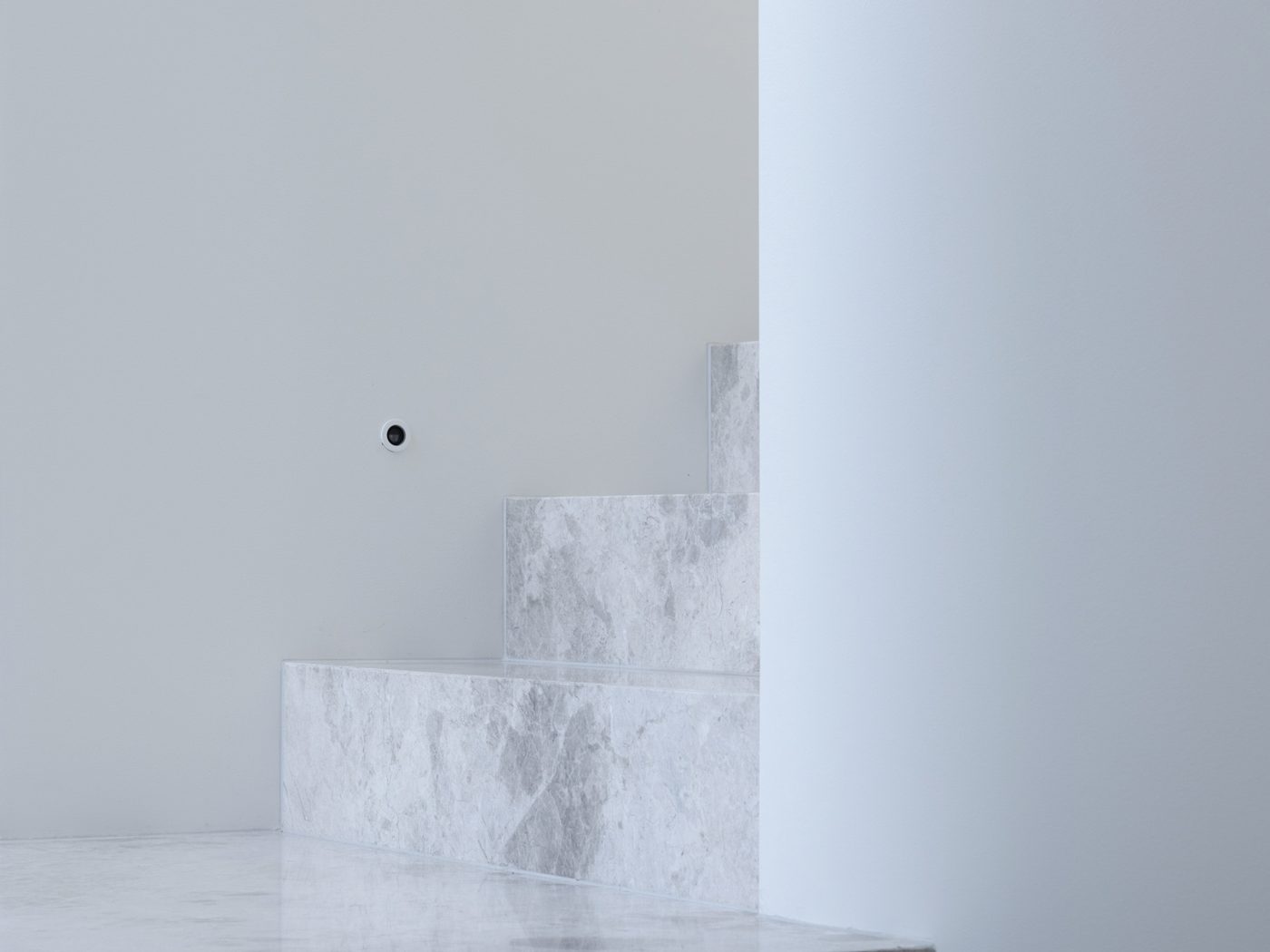
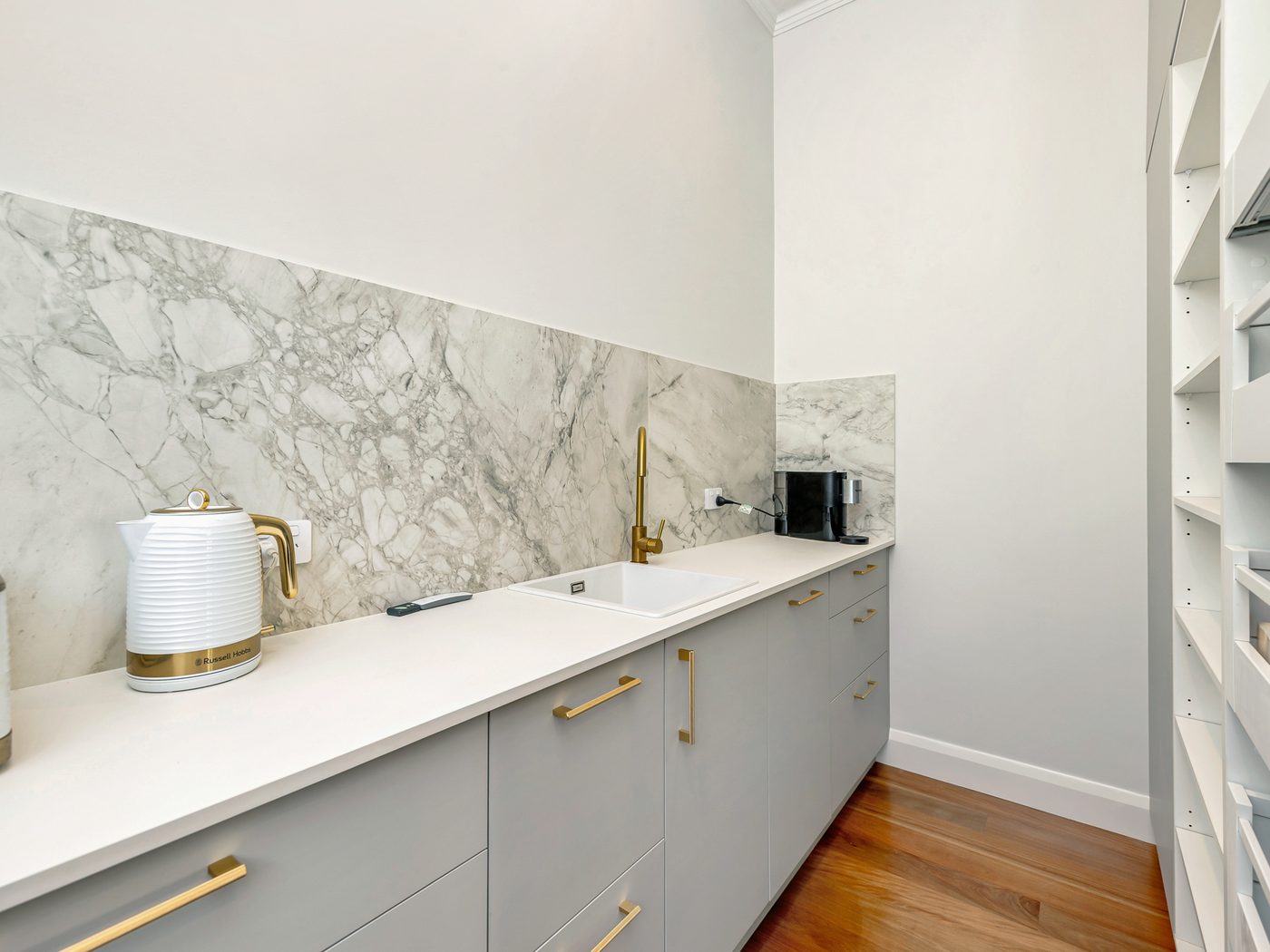
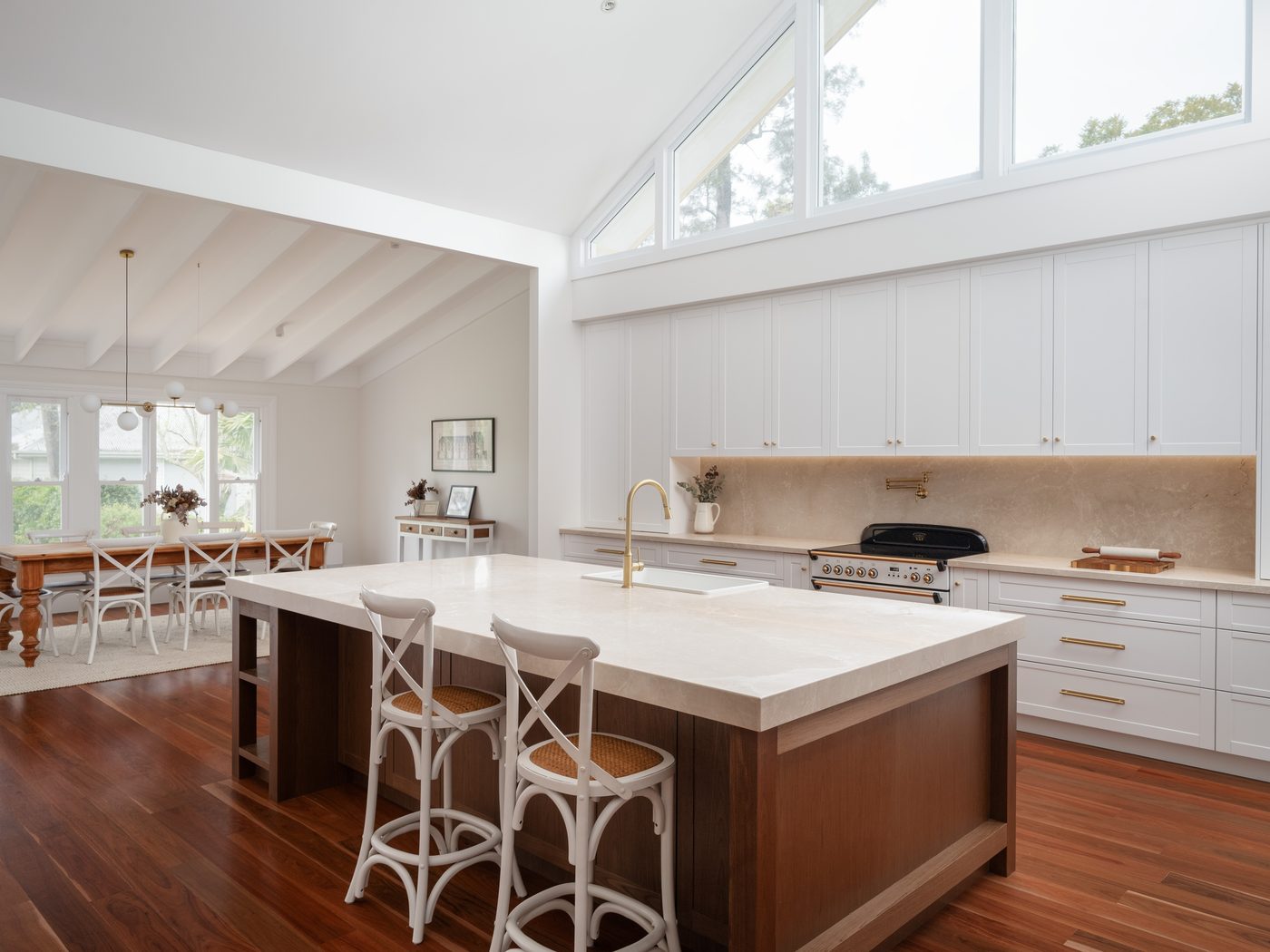
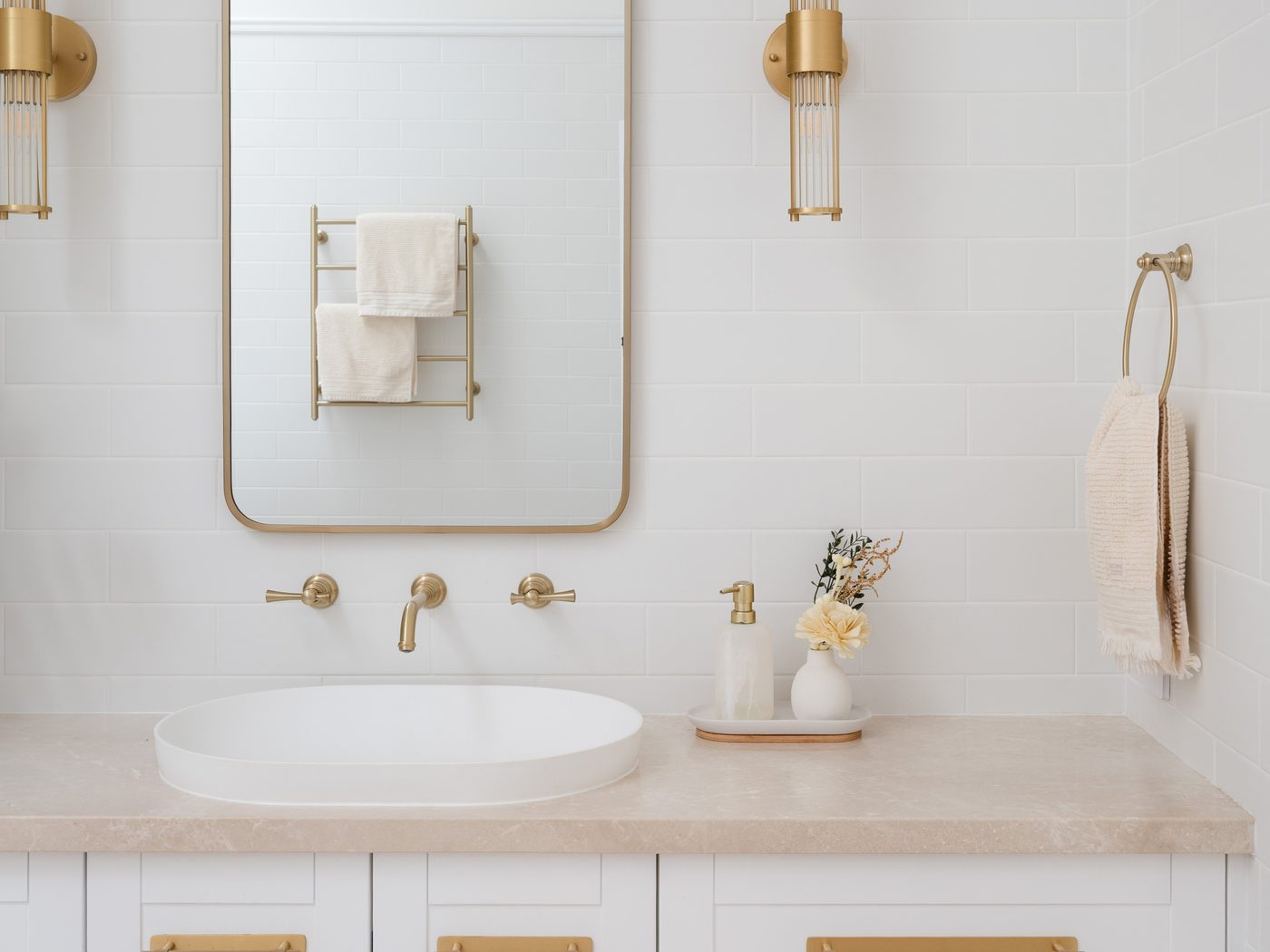
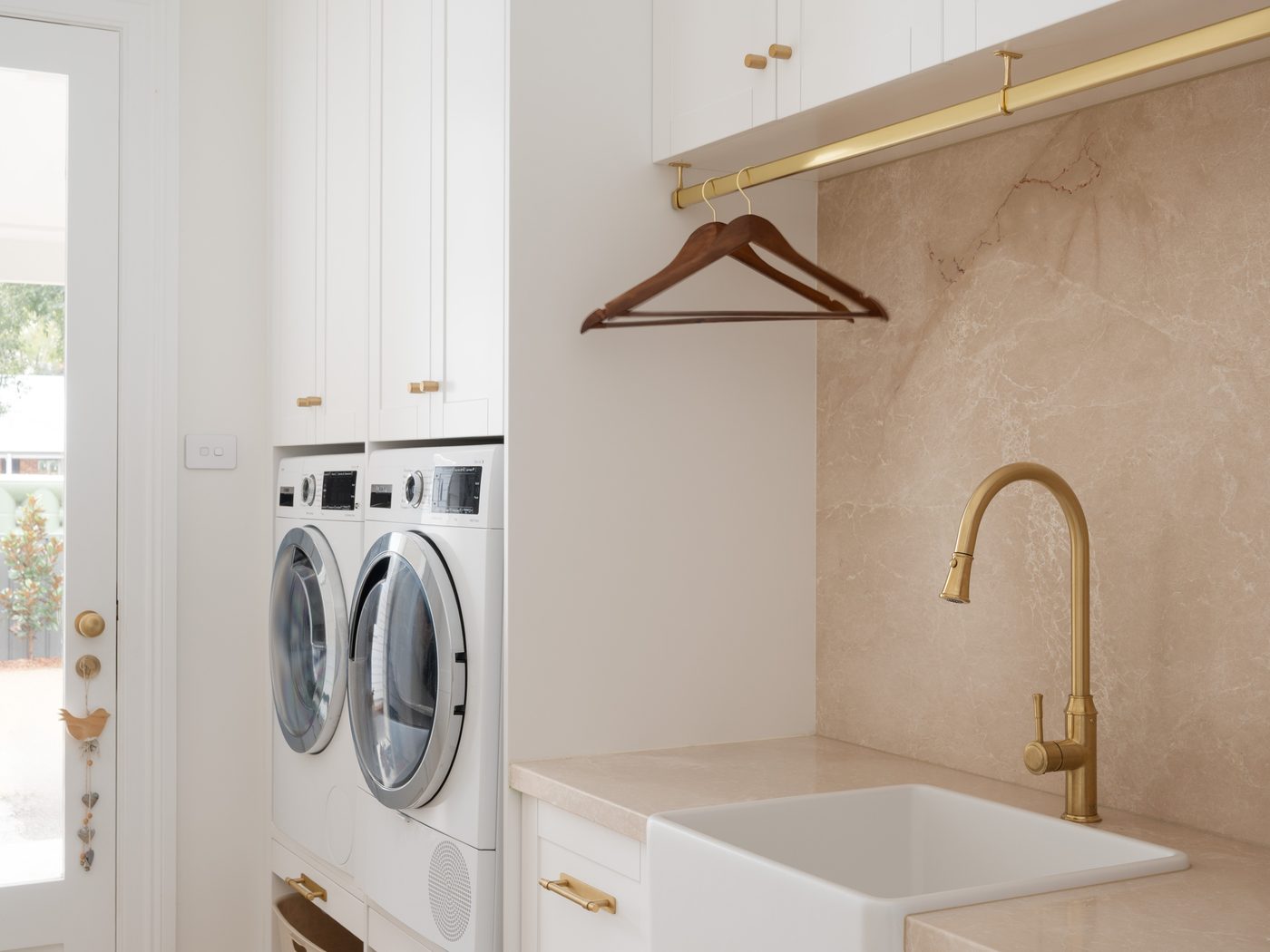
- The whole house from one slab: kitchen islands and benchtops, bathroom vanities and full-height walls, fireplace hearths and surrounds, solid stair treads, thresholds and window sills, tables and bench seats, and splashbacks that continue the benchtop's veining up the wall.
What it asks of you
A sealer, a trivet and a soft cloth.
- Sealed, then resealed. Natural stone is porous. It is sealed when installed and resealed periodically to keep spills sitting on the surface rather than soaking in.
- Acids etch marble. Lemon, vinegar, wine and some cleaners leave a dull mark on marble if they sit. Wipe promptly, and know that a soft patina is part of owning it.
- Trivets are still the habit we recommend, even under warm cookware on granite and quartzite. The supplier's care guide has the specifics.
- Simple daily care. A damp cloth and a pH-neutral cleaner. No abrasive pads, no harsh chemicals. Follow the supplier's guide for anything beyond that.
- Never choose it from a photo or a sample. Every slab is different, so come and stand in front of the whole sheet before you decide.
Laid out on the slab before a blade moves.
- Program
Programmed, then laid out on your slab
Natural stone punishes guesswork, so we do not guess. Once your cabinets are in, an owner comes to your home to check measure every edge, cut-out and join. That layout then goes onto your actual slab in the factory, with you there to see it, and this is where a tradesman's eye matters: we place the pieces so the best of the veining lands on the island, a strong vein does not run into a sink cut-out and the joins fall where the pattern will carry across them.
- Cut
Cut on CNC, finished by hand
The stone is cut on CNC machines in our dust-free Cardiff factory and finished by hand, including the edge profile and any mitres. The same team that measured and cut it comes out to install it, so nothing is lost between the slab room and your kitchen.
- Plan
Two slabs? You see the plan first
If two slabs are needed for a long run or a waterfall island, we will show you how they sit together and talk through where the veins meet before you decide. You see the plan, not a surprise on install day.
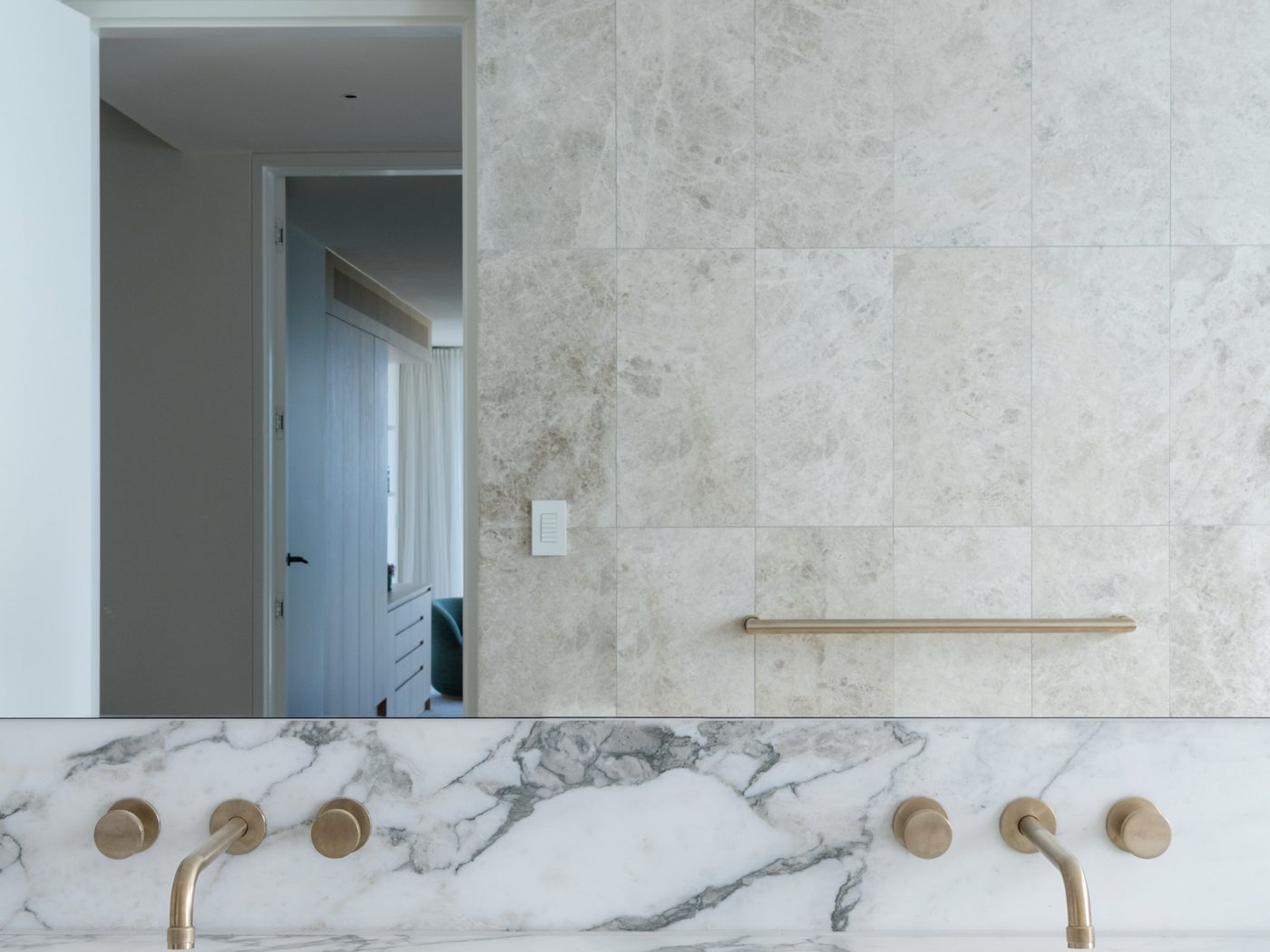
Natural stone questions
What people ask with a hand on the slab.
The same plain answers you would get in the showroom. If yours is not here, ask us when you visit.
What is the difference between marble, granite and quartzite?
Marble is the softest of the three, with the long flowing veins most people picture. It etches with acids and marks more easily, and it is loved anyway. Granite is a hard, dense stone with a speckled or flowing grain that handles heat and knocks well. Quartzite is a natural stone that is harder still, often with a marble-like look. We will show you all three side by side and tell you plainly which suits your room.
Will marble stain or mark?
It can. Marble is porous and reacts to acids, so lemon juice, vinegar, wine or a splash of the wrong cleaner can leave a dull etch mark if it sits. Sealing helps with stains, wiping promptly helps with everything, and over time most marble owners come to like the soft patina. If that sounds like a worry rather than a charm, quartzite or a mineral surface will give you the look with less upkeep.
How often does natural stone need sealing?
It depends on the stone, the sealer and how hard the room is used, so we will not give you one number for every slab. Your stone is sealed when it is installed and the supplier's care guide sets out how to check it and when to reseal. We will walk you through that for the slab you choose, and the aftercare notes in our resources cover the basics.
Can I choose where the veins fall?
Yes, and you should. Once your job is programmed we lay it out on your slab in the factory with you, so you can see where the strongest veining will sit on the island, how it meets the splashback and where any joins will land. On a natural slab this is the step that turns a good kitchen into the one people photograph.
Is natural stone sensible for a busy family kitchen?
Granite and quartzite, yes, with normal care. Marble, yes if you are the kind of household that wipes as it goes and is relaxed about a little character over the years. If you want a stone look and a wipe-and-forget life, a mineral surface or porcelain may be the better answer, and we will say so.
Can natural stone go outdoors?
Some can. Granite and some quartzites cope with weather well. Marble will etch and weather in the open and we would steer you away from it on a barbecue bench. For most outdoor kitchens, sintered stone is the material we would show you first. Ask us about the specific slab you are considering.
Was natural stone affected by the engineered stone ban?
No. The ban that came into force on 1 July 2024 applies to engineered stone only. Natural stone, porcelain and sintered stone were not part of it. All our stone is cut on CNC machines in a dust-free workshop in Cardiff.
Where it suits, and what else to look at.
Natural stone in the rooms we cut it for most, and the other three materials if the look is right and the care is not.
Come and see the slabs for yourself.
Natural stone is the one material you should never choose from a photo. Look at full slabs on request at 7 Nelson Rd, Cardiff, take a sample home and look at it in your own light.